


What's Happening?
The U.S. Department of Energy has announced a significant funding initiative aimed at bolstering the domestic production of critical materials essential for batteries and energy technologies. This initiative, which involves an allocation of up to $500
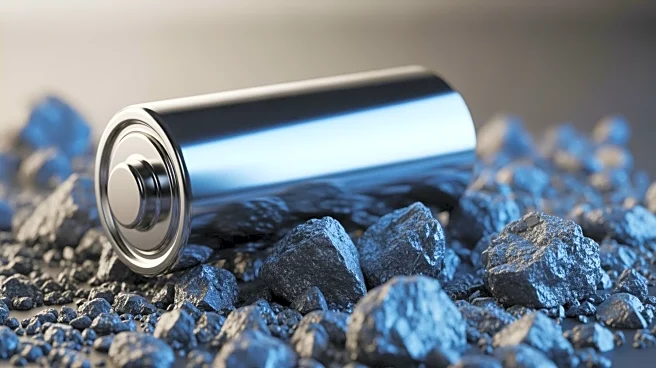
million, is spearheaded by the department's Office of Critical Minerals and Energy Innovation. The funding is intended to support demonstration and commercial-scale operations that focus on processing or recycling critical materials such as lithium, graphite, nickel, copper, and aluminum. These materials are vital components in commercial battery systems. Energy Secretary Chris Wright highlighted the historical reliance of the United States on foreign nations for these materials and emphasized the importance of strengthening domestic supply chains to meet growing energy demands and enhance energy security. The announcement was made in conjunction with a U.S. official's participation in an energy security forum in Japan, where discussions on supply chain cooperation with regional allies were held.
Why It's Important?
This funding initiative is crucial for the United States as it seeks to reduce its dependency on foreign sources for critical minerals, which are predominantly processed overseas, particularly in China. By investing in domestic processing and recycling capabilities, the U.S. aims to secure a stable supply of raw materials necessary for the production of electric vehicles, grid storage, and other energy technologies. This move is part of a broader strategy to reestablish and fortify the early and middle stages of the battery supply chain within the country. Enhancing domestic production not only supports national security objectives but also positions the U.S. to better meet future energy needs. The initiative underscores the importance of developing a resilient supply chain that can withstand global disruptions and geopolitical tensions.
What's Next?
The Department of Energy's funding round is the third such initiative under its existing programs focused on battery materials and manufacturing. The project selection process will prioritize three key areas: processing minerals from raw feedstocks, recycling critical materials, and manufacturing battery materials and components. As the U.S. expands its domestic production capabilities, it will continue to engage with international partners to ensure a collaborative approach to energy security. The success of this initiative could lead to further investments and policy measures aimed at strengthening the U.S. position in the global energy market.