


What's Happening?
Freddie Mac announced that mortgage rates have fallen to their lowest level since September 2022. The average rate for a 30-year fixed mortgage decreased to 6.01% from 6.09% the previous week. This decline is attributed to a drop in the 10-year Treasury
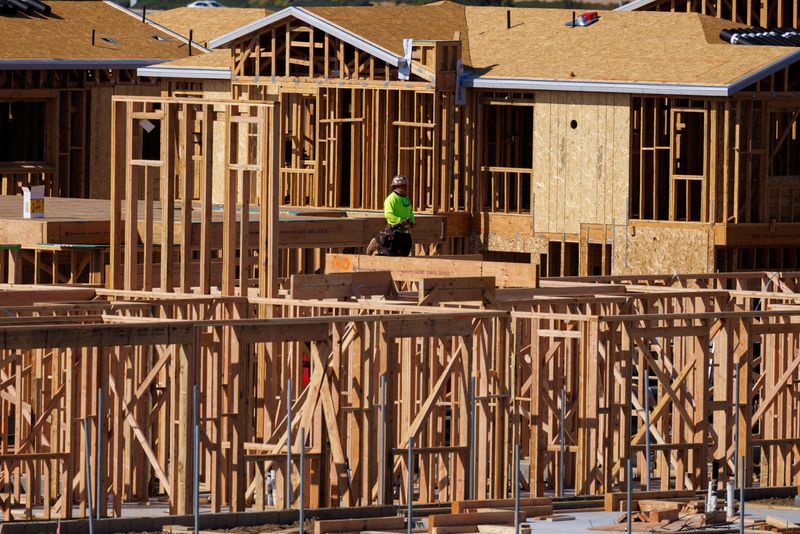
yield, influenced by a softer-than-expected Consumer Price Index (CPI) reading and an optimistic jobs report. The lower rates are expected to improve affordability for prospective homebuyers and strengthen the financial position of current homeowners. The average rate for a 15-year fixed mortgage also fell, reaching 5.35% from 5.44% last week. These changes are setting the stage for the spring homebuying season, although challenges remain due to mixed supply conditions, including slower new construction and stagnant inventory growth.
Why It's Important?
The reduction in mortgage rates is significant for the U.S. housing market, as it enhances affordability for homebuyers and provides financial relief for existing homeowners through refinancing opportunities. Lower rates can increase purchasing power, potentially leading to heightened demand in the housing market. However, the supply side remains a concern, with new construction lagging and inventory growth slowing. If the 'lock-in effect' persists, where homeowners are reluctant to sell due to favorable existing mortgage rates, it could lead to increased competition and rising home prices. This dynamic could impact the overall housing market, influencing economic activity and consumer spending.
What's Next?
As the spring homebuying season approaches, the lower mortgage rates may stimulate increased market activity. However, the supply constraints could pose challenges, potentially leading to competitive bidding and price increases. Stakeholders, including real estate agents, homebuilders, and policymakers, will need to monitor these trends closely. The Federal Reserve's future actions regarding interest rates and economic indicators will also play a crucial role in shaping the mortgage rate landscape. Continued observation of the 10-year Treasury yield and economic reports will be essential in predicting future rate movements.