







What's Happening?
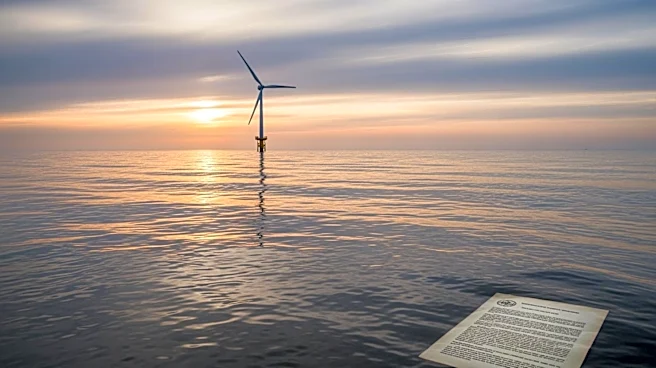
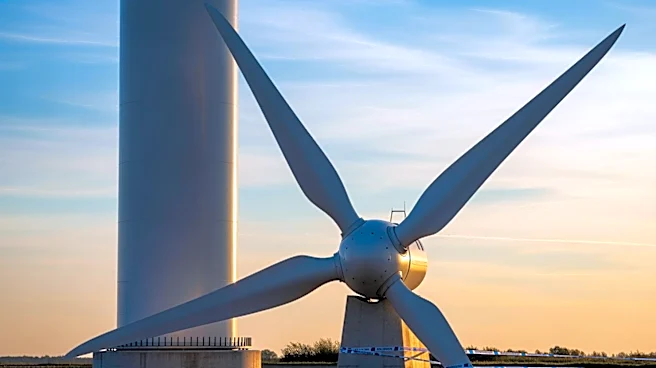
The latest episode of the Energy Technology: Industry Insights podcast delves into the burgeoning trend of mega wind turbines, which are now being deployed in offshore wind farms worldwide. These turbines, some exceeding 15MW per unit with rotor diameters
larger than skyscrapers, represent a significant leap in wind energy technology. The episode features insights from industry experts Jim Rijks, engineering manager at Iberdrola Australia, and Abhilash Palakkil, principal engineer at GHD, who discuss the economic, operational, and supply chain implications of this trend. The discussion also touches on the competitive landscape, particularly with Chinese original equipment manufacturers (OEMs) developing designs over 25MW while reducing costs.
Why It's Important?
The shift towards larger wind turbines is crucial for the renewable energy sector as it seeks to increase efficiency and reduce costs. Larger turbines can generate more power, potentially lowering the cost per megawatt-hour and making wind energy more competitive with traditional energy sources. This trend also highlights the growing competition in the global market, especially with Chinese manufacturers pushing the boundaries of turbine size and cost-effectiveness. The implications for the U.S. energy market include potential shifts in manufacturing and supply chain dynamics, as well as the need for updated infrastructure to accommodate these larger units.
What's Next?
As the industry continues to explore the benefits and challenges of mega turbines, stakeholders will likely focus on optimizing the balance between size, efficiency, and cost. Future developments may include advancements in materials and engineering to support these larger structures, as well as regulatory adjustments to ensure safe and efficient deployment. The competitive pressure from international players, particularly from China, may also drive innovation and cost reductions in the U.S. market.
Beyond the Headlines
The move towards larger turbines raises questions about the environmental and logistical impacts of such massive structures. While they promise greater efficiency, the production and installation of these turbines require significant resources and planning. Additionally, the visual and ecological impact on marine environments must be considered, prompting a need for comprehensive environmental assessments and community engagement.