
What's Happening?
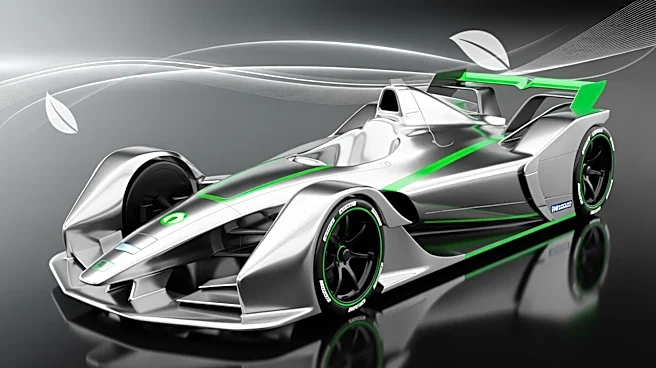
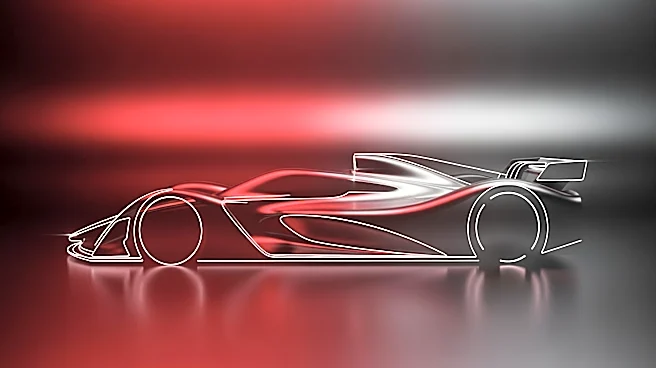
Formula E has introduced its new GEN4 race car, marking a significant advancement in the series' all-electric racing technology. The car made its debut at Circuit Paul Ricard, showcasing its ability to accelerate from 0 to 100 km/h in just 1.8 seconds,
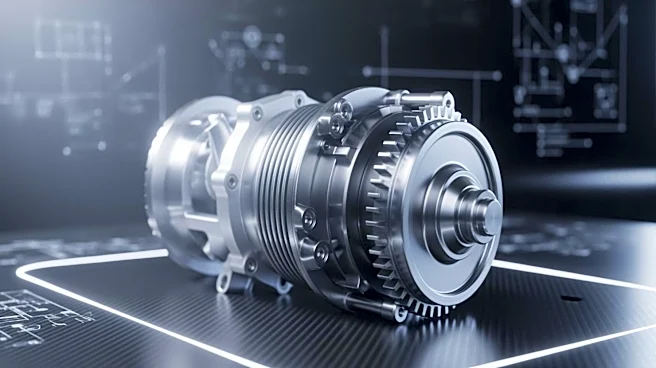
surpassing the acceleration of modern Formula 1 cars. This performance is partly due to its permanent all-wheel drive system, a first in FIA history, allowing for up to 600 kW of power without wheelspin. The GEN4 car also emphasizes sustainability, featuring recycled carbon fiber bodywork and a battery free of rare earth minerals, making it the world's first 100% recyclable race car. Citroën Racing also revealed a striking red-and-black camouflage livery during the test sessions, although this is a temporary design as they prepare a new identity for the upcoming season.
Why It's Important?
The unveiling of the GEN4 car represents a major leap forward in electric vehicle racing, highlighting the potential for electric technology to rival traditional combustion engines in performance. This development is crucial as it aligns with global efforts to reduce carbon emissions and promote sustainable practices in motorsports. The GEN4's design and performance could influence the broader automotive industry by demonstrating the viability of high-performance electric vehicles. Additionally, the focus on sustainability may encourage other racing series and automotive manufacturers to adopt similar environmentally friendly technologies.
What's Next?
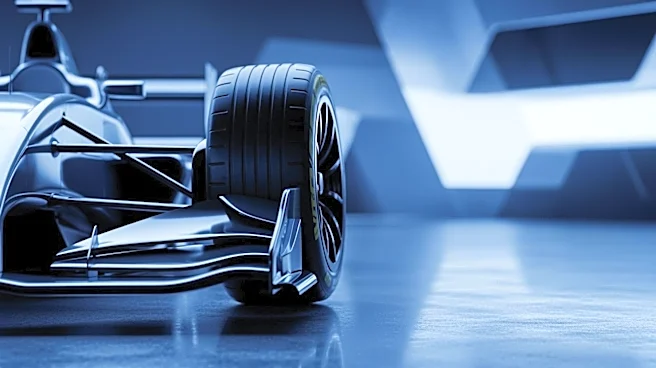
Following the successful debut of the GEN4 car, attention now shifts to the Berlin E-Prix double-header at Tempelhof Airport. This venue is known for its challenging concrete surface, which poses unique challenges for tire management. Teams are preparing for the event by focusing on energy management and tire preservation strategies. The championship standings are tight, with Pascal Wehrlein leading but facing competition from Edoardo Mortara and Antonio Felix da Costa. The Berlin races are expected to be pivotal in the 2026 title fight, with energy efficiency and strategic racing playing key roles.