



What's Happening?
Sushiro, a popular Japanese conveyor belt sushi restaurant chain, is set to open its first permanent U.S. location in New York City. The new restaurant will be located in Times Square, occupying a 9,000 square foot, three-story space that was formerly
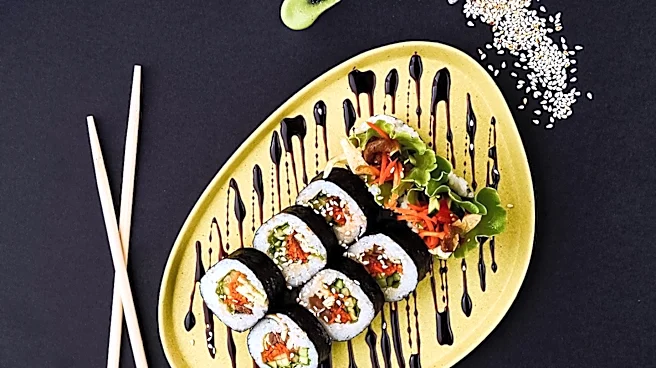
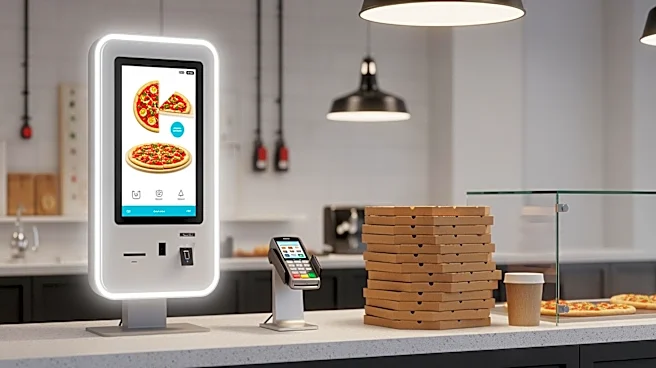
a McDonald's. The first two floors will feature Sushiro's signature conveyor-belt dining with 150 seats, while the cellar level will offer private dining options with an intimate sushi bar experience. Sushiro is known for its high-quality, affordable sushi and Japanese food, offering a menu with over 100 dishes including sushi, ramen, and desserts like catalana and warabimochi. Customers will order through digital kiosks and pick up their food from the conveyor belt.
Why It's Important?
The opening of Sushiro in New York City marks a significant expansion for the world's largest dine-in sushi restaurant chain, which has over 800 locations globally. This move introduces a unique dining experience to the U.S. market, potentially setting a trend for other international food chains to follow. The restaurant's focus on affordability and quality could attract a wide range of customers, from sushi enthusiasts to those seeking a novel dining experience. Additionally, the use of digital kiosks and conveyor belts aligns with the growing trend of technology integration in the food service industry, enhancing efficiency and customer engagement.
What's Next?
As Sushiro prepares to open its doors in the fall, the restaurant is likely to generate significant interest and foot traffic in the bustling Times Square area. The success of this location could pave the way for further expansion across the United States, potentially leading to more openings in major cities. Competitors in the sushi and broader dining market may respond by innovating their own offerings or adopting similar technology-driven service models. The restaurant's performance will be closely watched by industry analysts and could influence future strategies for international restaurant chains entering the U.S. market.