






What's Happening?
Volkswagen Group has announced a comprehensive sustainability strategy aimed at achieving net-zero carbon emissions by 2050. The plan, known as the regenerate+ strategy, includes significant targets for reducing emissions, increasing renewable energy
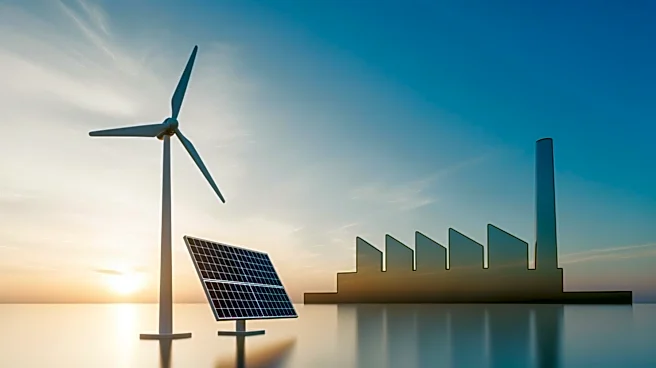
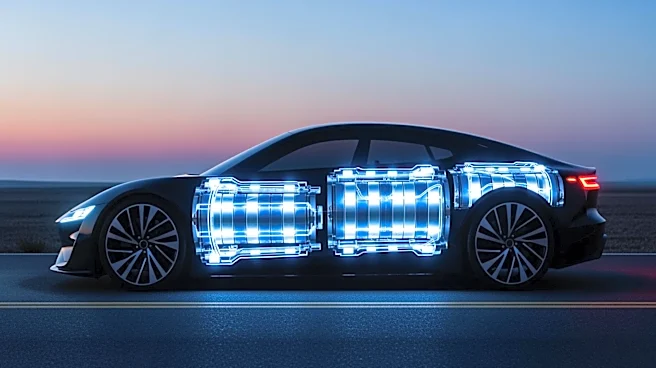
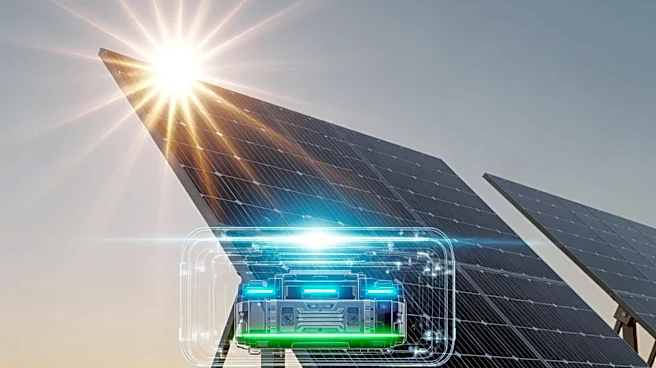
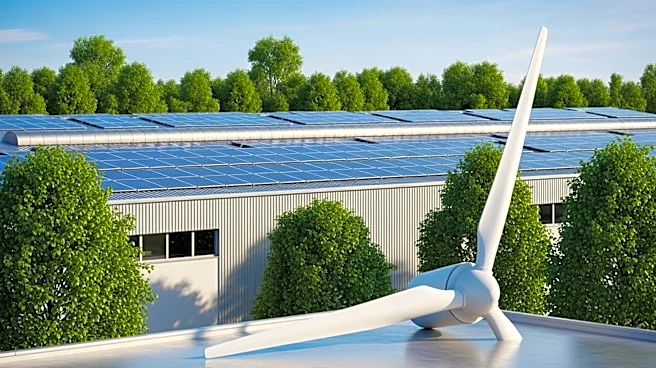
use, and promoting a circular economy. Volkswagen aims to cut its carbon footprint per customer-kilometer by 30% by 2030 compared to 2018 levels. The company plans to make all global production sites net carbon neutral by 2040, a decade earlier than initially planned. This involves reducing greenhouse gas emissions from production by 90% by 2040. Volkswagen is committed to sourcing 100% of its electricity from renewable sources by 2030. The strategy also includes a focus on electric mobility, with battery electric vehicles making up 10.9% of deliveries in 2025. Volkswagen is investing in sustainable mobility solutions and biodiversity protection, with a Biodiversity Fund established to support ecosystem restoration.
Why It's Important?
Volkswagen's strategy represents a significant shift in the automotive industry towards sustainability and decarbonization. By setting ambitious targets, Volkswagen is positioning itself as a leader in sustainable mobility, which could influence other automakers to adopt similar strategies. The focus on renewable energy and electric vehicles aligns with global efforts to combat climate change and reduce reliance on fossil fuels. This strategy could lead to increased demand for renewable energy and electric vehicles, impacting related industries and supply chains. Volkswagen's commitment to a circular economy and sustainable finance could also drive innovation and investment in these areas, potentially leading to broader economic and environmental benefits.