








What's Happening?
The U.S. Consumer Price Index (CPI) increased at its fastest pace in three years, driven by rising energy prices amid ongoing conflict in the Middle East. The CPI rose 4.2% over the 12 months through May, marking the largest gain since April 2023. Energy
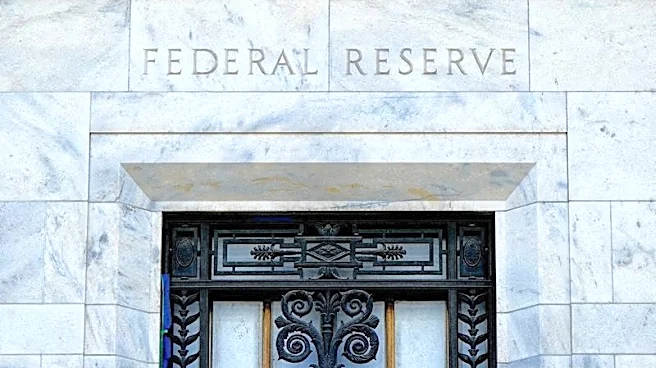
prices, which jumped 3.9% in May, accounted for a significant portion of this increase. President Trump, addressing the inflation concerns, remarked that he 'loves the inflation' and expects it to decrease once the U.S.-led conflict with Iran concludes. The inflationary pressures are impacting American households, particularly middle-class and lower-income groups, as they face higher costs for essentials like gasoline and healthcare. The Federal Reserve is under pressure to address these inflationary trends, although it is expected to maintain current interest rates.
Why It's Important?
The surge in inflation poses significant challenges for the U.S. economy, affecting consumer purchasing power and potentially slowing economic growth. Rising energy costs are a major contributor, with gasoline prices up 40.5% from the previous year. This inflationary environment is politically sensitive for President Trump, who campaigned on reducing inflation. The Federal Reserve's response to these inflationary pressures will be closely watched, as any changes in interest rates could have wide-ranging effects on economic stability and growth. The situation underscores the interconnectedness of global events, such as the conflict with Iran, and domestic economic conditions.
What's Next?
Economists are closely monitoring energy prices and their potential spillover effects on other sectors. The Federal Reserve's upcoming meeting will be pivotal in determining whether interest rates will remain unchanged or if a rate hike is necessary to curb inflation. Additionally, the resolution of the conflict with Iran could significantly impact future inflation trends. Stakeholders, including businesses and consumers, are likely to adjust their strategies in response to these developments, with potential implications for spending and investment patterns.