




What's Happening?
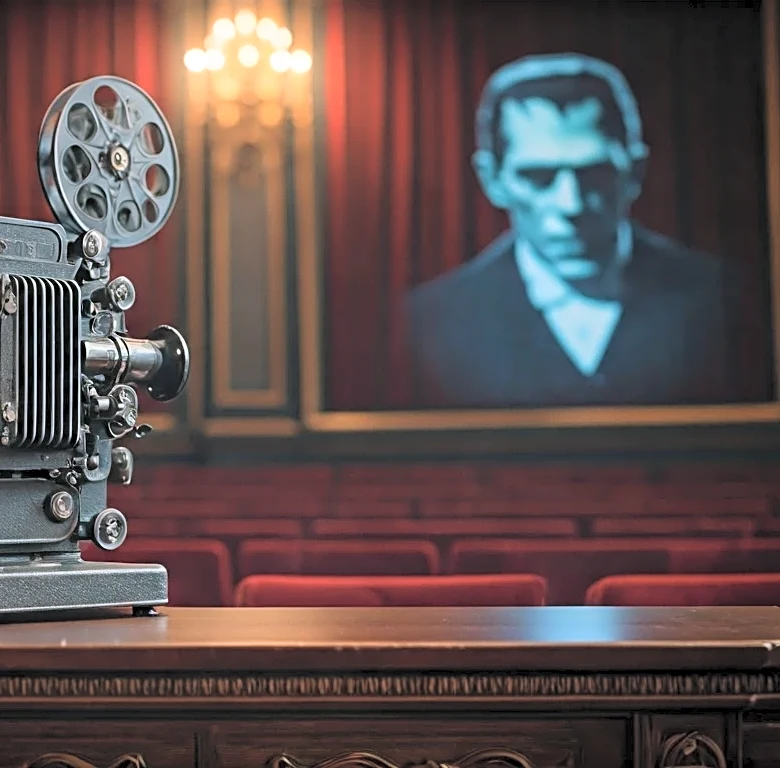
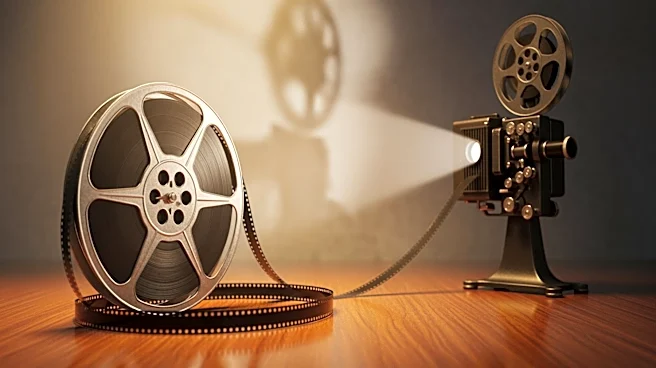
Long-lost footage from the 1958 Dracula film, starring Christopher Lee, has been discovered and restored for U.S. audiences. The footage, which was originally cut due to its terrifying nature, was found in a Warner Brothers warehouse. It includes scenes
that were deemed too gory and sexually suggestive for contemporary audiences, leading to reports of viewers fainting during screenings in Japan. The restored footage will be part of a 4K version of the film, set to be released in theaters in time for Halloween. This restoration is a significant recovery of British film history, as the footage was believed to be lost forever. Christopher Lee's portrayal of Dracula, with his signature fangs and red eyes, redefined the vampire's image for generations.
Why It's Important?
The restoration of this footage is significant for both film history and horror genre enthusiasts. It offers a new perspective on a classic film that has influenced the portrayal of vampires in popular culture. The release of the 4K version with previously unseen footage provides an opportunity for audiences to experience the film as it was originally intended. This restoration also highlights the importance of film preservation and the potential for rediscovering lost cinematic treasures. For the film industry, it underscores the value of archival work and the potential for reintroducing classic films to new audiences, potentially boosting interest and revenue.
What's Next?
The restored 4K version of the Dracula film is scheduled to be released in theaters in October, aligning with Halloween festivities. This release is expected to attract both fans of classic horror films and new viewers interested in experiencing a piece of cinematic history. The film's release may also spark discussions about the preservation of other classic films and the potential for discovering additional lost footage. Film historians and enthusiasts may engage in further analysis of the restored scenes, contributing to a deeper understanding of the film's impact and legacy.