



What's Happening?
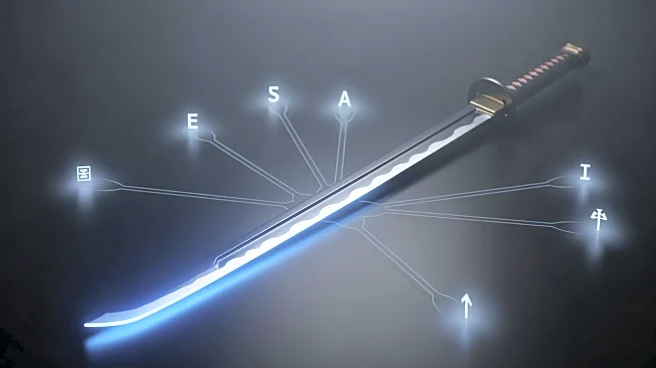
Phantom Blade Zero, an upcoming action RPG, is set to offer players a rich narrative experience with more endings than the popular game Elden Ring. According to the game's creator, Soulframe, Phantom Blade Zero will feature eight different endings, influenced by players' choices and actions throughout the game. The game emphasizes branching paths and subtle decision-making, rewarding thorough exploration and side quest completion. Despite having more endings, the main story is expected to be shorter than Elden Ring, taking approximately 20 to 30 hours to complete. The game's design encourages players to engage deeply with its content to unlock various narrative outcomes.
Why It's Important?
The announcement of multiple endings in Phantom Blade Zero highlights a growing
trend in the gaming industry towards player-driven narratives. This approach enhances replayability and player engagement, as gamers are encouraged to explore different paths and make choices that impact the story's outcome. For the gaming community, this means a more personalized and immersive experience, as players can influence the game's direction based on their decisions. The emphasis on narrative depth and player agency aligns with consumer demand for more interactive and meaningful gaming experiences. Developers who prioritize these elements may see increased player satisfaction and loyalty.
Beyond the Headlines
Phantom Blade Zero's focus on multiple endings and player choice reflects broader cultural and ethical considerations in game design. By allowing players to shape the narrative, the game challenges traditional storytelling methods and empowers players to explore moral and ethical dilemmas within a virtual environment. This can lead to discussions about the role of choice in gaming and its impact on player psychology. Additionally, the game's design may influence future RPGs, encouraging developers to incorporate more complex narrative structures and decision-making processes. As gaming continues to evolve, the balance between narrative control and player freedom will remain a key area of exploration.