


What's Happening?
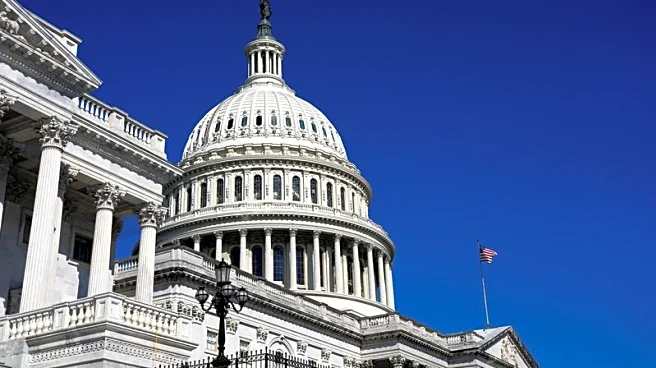
Coinbase, the largest cryptocurrency exchange, has withdrawn its support for the Senate CLARITY Act, a significant piece of legislation aimed at establishing a legal framework for the crypto market in the United States. The CLARITY Act was set to define digital assets as securities or commodities and outline regulatory responsibilities for companies, along with consumer protections. The House had already passed its version, and the White House was prepared to sign it. However, Coinbase's CEO Brian Armstrong announced the withdrawal, citing concerns over provisions that would affect the ability of crypto owners to earn interest on stablecoins. This move led to the cancellation of the Senate Banking Committee's markup session, which was intended
to finalize the bill's language before a Senate vote. Despite Coinbase's stance, other major crypto players, including Kraken and Ripple, expressed their support for the bill, urging resolution of outstanding issues rather than abandoning the legislation.
Why It's Important?
The withdrawal of Coinbase's support for the CLARITY Act has significant implications for the crypto industry in the U.S. The legislation was poised to provide much-needed regulatory clarity, which could have facilitated growth and innovation within the sector. Without a clear legal framework, the industry remains in a regulatory gray zone, potentially stifling investment and development. The delay in passing the CLARITY Act also risks losing the current favorable political setup, as upcoming midterm elections could shift the balance of power in Congress, making bipartisan consensus more challenging. Additionally, the absence of regulation could lead to increased scrutiny and intervention from traditional financial institutions, which may view crypto as a competitive threat.
What's Next?
The Senate Banking Committee is expected to renegotiate the bill's language, but time is limited with midterm elections approaching. The committee must address the concerns raised by Coinbase and other stakeholders to ensure the bill's passage. If the legislation is postponed until next year, changes in the political landscape could further complicate its approval. The crypto industry must navigate these uncertainties while advocating for a regulatory framework that supports innovation and protects consumer interests.