


What's Happening?
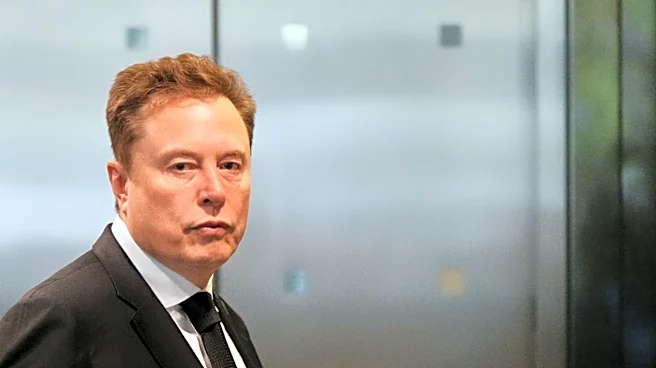
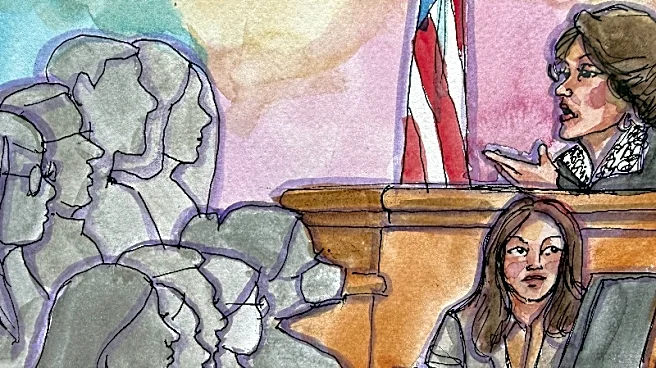
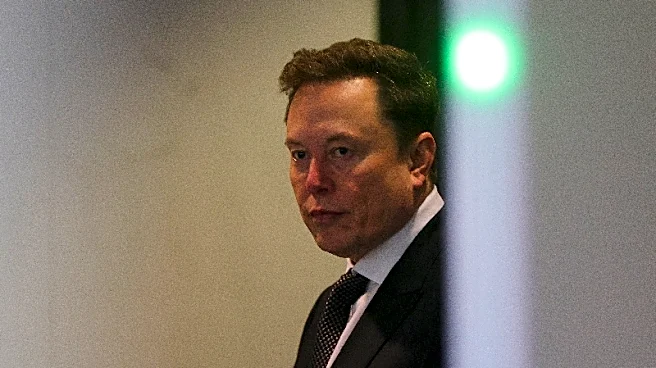
Elon Musk's lawsuit against Sam Altman, Greg Brockman, OpenAI, and Microsoft was dismissed by a California jury. Musk accused the defendants of 'stealing a charity' by creating a for-profit affiliate of OpenAI. The jury found that Musk's claims were filed
too late, as the alleged harms occurred before the legal deadlines. The trial focused on whether promises made to Musk were broken, but the jury was not convinced of his claims. OpenAI's defense argued that any harms occurred before 2021, which the jury accepted, leading to a quick verdict. The dismissal removes a potential restructuring threat to OpenAI ahead of its reported IPO.
Why It's Important?
The verdict is significant as it removes a major legal threat to OpenAI, allowing it to proceed with its business plans, including a potential IPO. The case highlights the complexities of legal claims involving charitable contributions and for-profit ventures. For Musk, the loss underscores the challenges of litigating past business disputes, especially when statute of limitations issues are involved. The outcome also reinforces the legal protections for companies like OpenAI and Microsoft against claims of misuse of charitable assets, potentially influencing future legal strategies in similar cases.
What's Next?
Musk has indicated plans to appeal the decision, suggesting that the legal battle may continue. An appeal could further delay any potential restructuring or IPO plans for OpenAI, depending on the outcome. The case may also prompt other tech companies to review their legal strategies and charitable affiliations to avoid similar disputes. Stakeholders in the tech and legal communities will likely watch the appeal process closely for any precedents it might set regarding the intersection of charitable contributions and for-profit business activities.