
What's Happening?
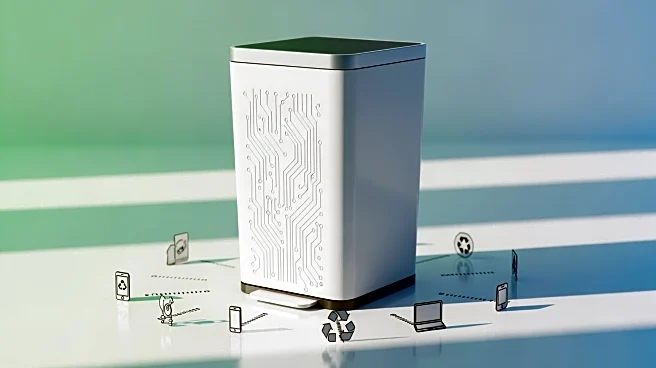
Best Buy has enhanced its recycling program, allowing customers to recycle up to three household items per day, including desktop computers and printers, at no cost. The program also permits the recycling of
up to five laptops per household per day. However, the rules for recycling monitors vary by state, and it may not always be free. Additionally, Best Buy offers a mail-in recycling service for select items, though this service incurs a fee. The initiative is part of a broader effort by retail giants like Best Buy and Staples to provide convenient recycling options for consumers, helping to prevent electronic waste from ending up in landfills. This service is available regardless of where the items were originally purchased, and in some cases, customers may receive a gift card or discount for participating.
Why It's Important?
The expansion of Best Buy's recycling program is significant as it addresses the growing issue of electronic waste, which poses environmental hazards due to the heavy metals and toxic substances contained in many electronic devices. By offering free and convenient recycling options, Best Buy is helping to reduce the environmental impact of e-waste and encouraging consumers to dispose of their old electronics responsibly. This initiative not only aids in environmental conservation but also aligns with increasing consumer demand for sustainable practices from corporations. Retailers like Best Buy are playing a crucial role in promoting sustainability and reducing the carbon footprint associated with electronic waste.
What's Next?
As electronic waste continues to be a pressing environmental issue, it is likely that more retailers will adopt similar recycling programs to meet consumer demand for sustainable practices. Best Buy's initiative may prompt other companies to enhance their recycling efforts, potentially leading to industry-wide changes in how electronic waste is managed. Additionally, there may be increased regulatory pressure on companies to provide recycling solutions, which could result in more comprehensive and accessible recycling programs across the country.