
What's Happening?
In March, the United States experienced its largest monthly inflation spike in four years, primarily driven by a significant increase in gas prices. According to the Labor Department, consumer prices rose
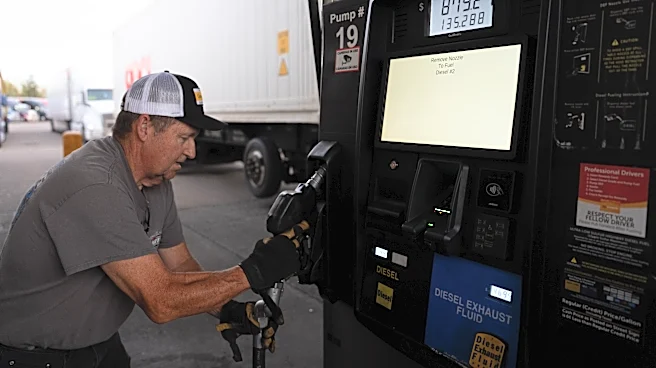
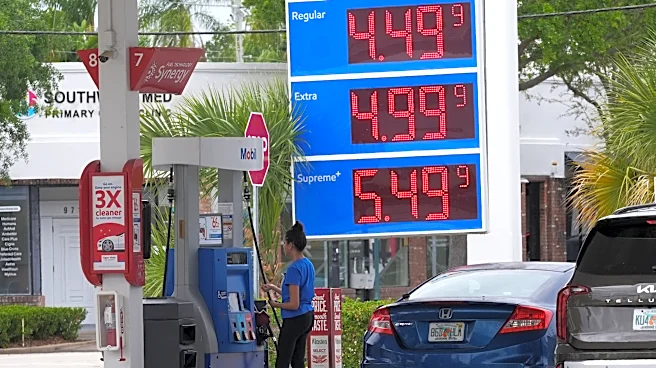
by 3.3% compared to the previous year, marking a sharp rise from February's 2.4% increase. This inflationary pressure is largely attributed to the ongoing conflict with Iran, which has disrupted oil supplies and led to a surge in gas prices. The average price of gasoline nationwide reached $4.15 per gallon, up from $2.98 before the conflict began. This increase has raised concerns about the potential for sustained inflation, reminiscent of the post-pandemic period when inflation peaked at 9.1% in June 2022.
Why It's Important?
The surge in gas prices and subsequent inflation poses significant challenges for the Federal Reserve and the White House. The Federal Reserve, which had been considering interest rate cuts, may now need to reconsider its monetary policy to address rising inflation. Higher gas prices also impact consumer spending, as individuals may need to allocate more of their budgets to fuel, potentially slowing economic growth. This situation is further complicated by the lack of strong consumer demand and income growth, which were present during previous inflationary periods. The current economic environment, with a low unemployment rate but weaker job market dynamics, suggests that the inflationary impact may differ from past experiences.
What's Next?
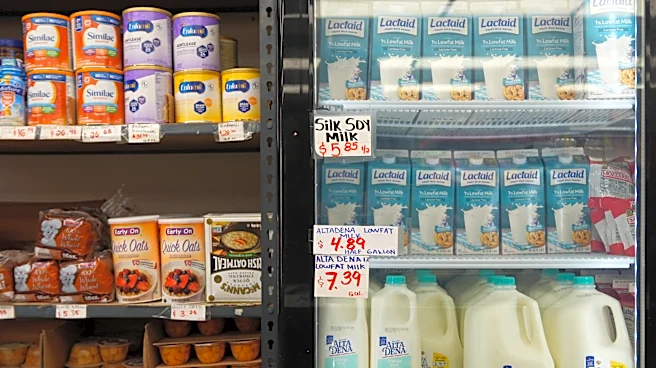
The Federal Reserve is likely to maintain its current interest rate policy in the short term, as officials assess the evolving economic landscape. However, if core inflation does not cool, there is a possibility of interest rate hikes in the future. The impact of rising gas prices is expected to extend to energy-intensive industries, such as airlines and public transportation, and may eventually affect grocery prices due to increased transportation costs. Economists are closely monitoring these developments to determine whether the inflationary pressures will persist or subside in the coming months.