
What's Happening?
Red Bull Racing set the pace during the first morning of Formula 1's 2026 testing session in Barcelona, despite multiple red flag interruptions. The test, which is closed to media and fans, spans five
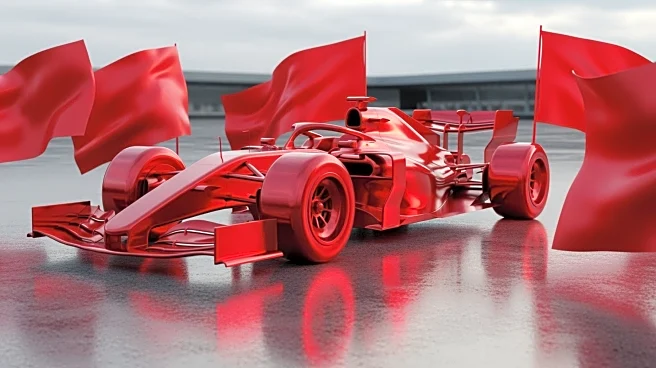
days with teams allowed to participate on any three days. Red Bull, Mercedes, Racing Bulls, Alpine, Haas, Audi, and Cadillac participated on the first day, while McLaren and Ferrari planned to start later. New Red Bull driver Isack Hadjar recorded the fastest time, surpassing Mercedes' Kimi Antonelli. The session was marked by several red flags due to on-track stoppages by Franco Colapinto's Alpine and Gabriel Bortoleto's Audi, among others. Despite the disruptions, teams managed significant lap counts, indicating improved reliability compared to previous years.
Why It's Important?
The 2026 F1 testing is crucial as it marks the beginning of a new era with updated regulations and car designs. The performance and reliability shown during these tests can set the tone for the upcoming season. Red Bull's early lead suggests they may have a competitive edge, potentially influencing team strategies and fan expectations. The disruptions highlight the challenges teams face in adapting to new technologies and regulations. Successful testing can lead to better performance in races, impacting team standings and sponsorships, while failures could necessitate costly redesigns and adjustments.
What's Next?
As testing continues, teams will focus on refining their cars and addressing any issues identified during the initial sessions. Observers will watch for improvements in lap times and reliability, which could indicate which teams are likely to perform well in the upcoming season. The closed nature of the test means that official updates will be limited, but teams will likely release controlled information to maintain fan engagement and sponsor interest. The results of these tests will inform team strategies and adjustments leading up to the first race of the season.