


What's Happening?
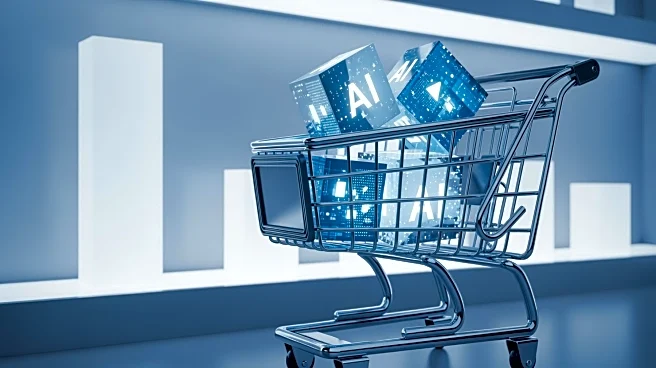
The retail industry is witnessing a significant transformation with the rise of AI-driven shopping platforms. Companies like Wayfair Inc. and JD Sports Fashion Plc are partnering with tech giants such as Google and Microsoft to integrate AI tools like ChatGPT, Copilot, and Gemini into their e-commerce strategies. These platforms allow consumers to interact with AI chatbots to find and purchase products, effectively acting as virtual personal shoppers. This shift towards 'agentic commerce' is prompting retailers to adapt by optimizing their product descriptions and data to be easily accessible by AI systems. The integration of AI in shopping is not only changing how consumers interact with brands but also how retailers manage their digital presence
and customer engagement.
Why It's Important?
The adoption of AI in retail has the potential to reshape the industry by altering consumer-brand relationships and impacting profit margins. As AI platforms become intermediaries between consumers and retailers, companies may face challenges in maintaining direct customer relationships. Additionally, the fees associated with AI-driven transactions could affect digital profit margins, which are already lower than those of physical stores. Retailers must also navigate the complexities of data ownership, as AI platforms may control valuable consumer insights. The shift to AI-assisted shopping requires retailers to enhance their digital strategies, focusing on generative engine optimization to ensure their products are visible and appealing to AI systems.
What's Next?
Retailers are likely to continue exploring partnerships with AI platforms while developing their own AI tools to maintain control over their ecosystems. Companies like Amazon and Walmart are already investing in proprietary AI assistants to complement their existing strategies. As the landscape evolves, retailers will need to balance the benefits of AI-driven sales with the potential risks to profitability and customer relationships. The future of retail may see a blend of AI integration and traditional commerce, with companies adapting to consumer preferences and technological advancements.