





What's Happening?
Cellares and TScan Therapeutics have announced a collaboration to evaluate the automated clinical manufacturing of TSC-101, TScan's lead TCR-T therapy candidate for patients with acute myeloid leukemia (AML) and myelodysplastic syndromes (MDS). The agreement
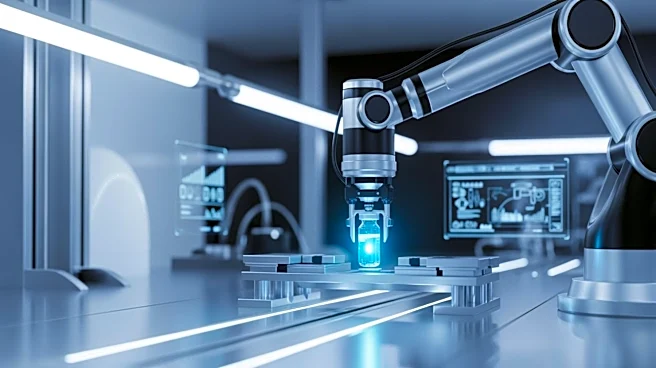
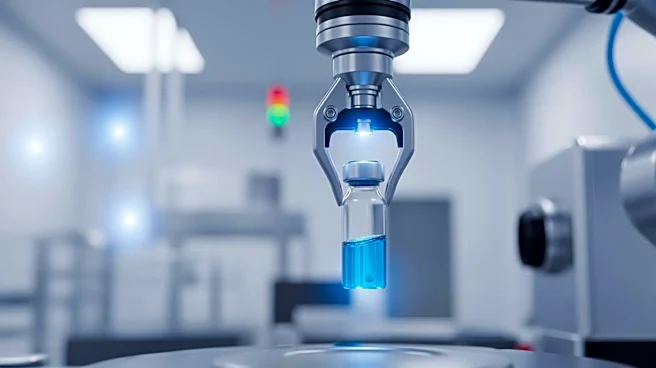
involves a comprehensive assessment of Cellares' automated manufacturing and testing platforms, including the Cell Shuttle and Cell Q systems. These platforms aim to provide a scalable and cost-efficient path to commercialization by reducing process variability and labor intensity, thus enabling consistent execution across runs and geographies. TSC-101 is designed to treat residual disease and prevent relapse in patients undergoing allogeneic hematopoietic cell transplantation. The collaboration seeks to establish a scalable manufacturing strategy to support broader patient access and deliver transformative therapies efficiently.
Why It's Important?
The collaboration between Cellares and TScan Therapeutics is significant as it addresses the need for scalable and cost-efficient manufacturing solutions in the cell therapy industry. Automated manufacturing platforms like the Cell Shuttle and Cell Q can potentially reduce manual processes and eliminate capacity constraints, which are critical for meeting commercial demand. This partnership could enhance the long-term manufacturing network for TScan, supporting broader patient access to TSC-101 and other cell therapies. The initiative reflects a growing trend towards automation in biopharmaceutical manufacturing, which can improve reliability and reduce costs, ultimately benefiting patients with hematologic malignancies.
What's Next?
As TScan prepares for the initiation of a pivotal study of TSC-101, the company is focusing on commercial readiness, including establishing a scalable manufacturing strategy. The evaluation of Cellares' automated platforms will determine their potential to strengthen TScan's manufacturing network. If successful, this collaboration could lead to the widespread adoption of automated manufacturing processes in the cell therapy industry, potentially transforming how these therapies are produced and delivered to patients. The outcome of this evaluation will be crucial in shaping the future of TScan's manufacturing capabilities and its ability to meet commercial demand.