






What's Happening?
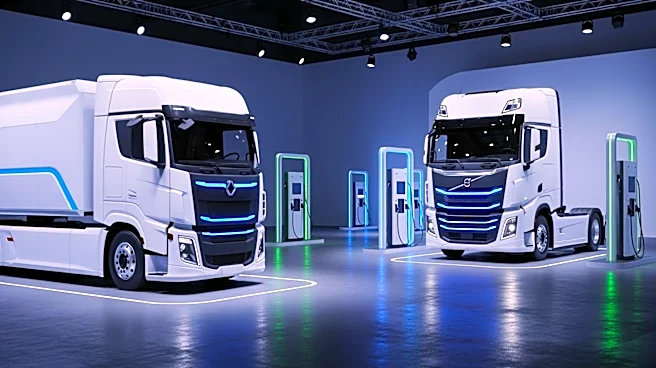
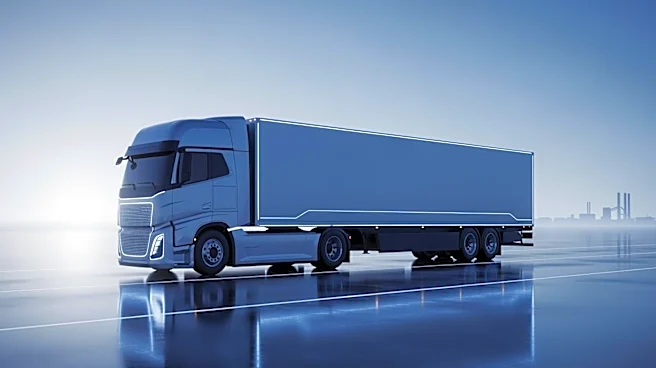
WattEV has placed an order for 370 Tesla Semi trucks, marking a significant step in the transition to electric freight transportation. This order follows Tesla's recent announcement of its first semi truck from a high-production line. Over 300 of these
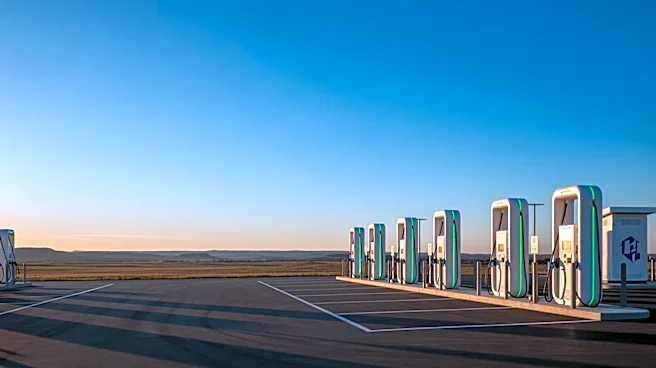
trucks will be deployed in collaboration with the Port of Oakland. The delivery of the first 50 trucks is set to coincide with the opening of new truck-charging stations at the Port of Oakland and in Fresno, equipped with Tesla's Megawatt Charging System. These chargers can provide a range of 300 miles in about 30 minutes, comparable to the refueling time of conventional diesel trucks. Additional charging depots are planned for Stockton and Sacramento, with the latter breaking ground in 2026.
Why It's Important?
The shift to electric semi trucks represents a crucial development in reducing the environmental impact of freight transportation. Diesel trucks are known for emitting significant amounts of air pollutants, including particulate matter and nitrogen oxides, which contribute to air quality issues and health problems. In contrast, electric trucks, like those ordered by WattEV, do not produce these emissions and can operate on renewable energy sources. This transition not only benefits the environment but also offers economic advantages. As diesel fuel costs fluctuate due to geopolitical and market factors, electric trucks provide a more stable and potentially cheaper alternative. This move could influence fleet procurement decisions across the industry, encouraging further adoption of electric vehicles.
What's Next?
The deployment of these Tesla Semi trucks and the establishment of new charging infrastructure are expected to set a precedent for the freight industry. As more companies observe the economic and environmental benefits of electric trucks, there may be increased pressure to phase out diesel vehicles. This could lead to broader policy changes and incentives to support the electrification of transportation. Additionally, the success of this initiative could drive further investment in renewable energy sources to power these vehicles, reinforcing the shift towards sustainable logistics solutions.