
What's Happening?
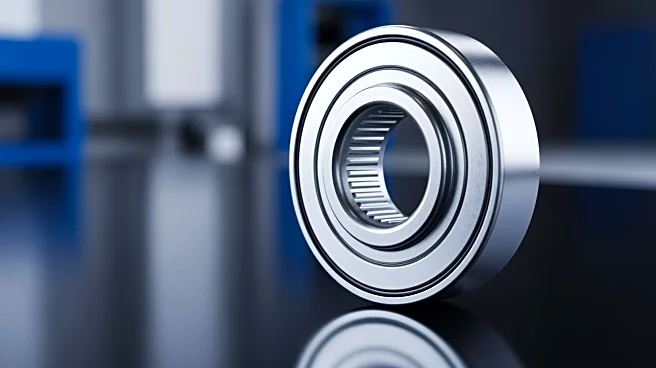
The passenger car hub bearings market is experiencing steady growth as global automotive production rebounds. This expansion is driven by increasing consumer demand for safer, smoother, and more efficient
vehicles. Hub bearings, which are precision-engineered components, play a crucial role in supporting wheel rotation, reducing friction, and ensuring vehicle stability. As modern passenger cars integrate advanced safety and comfort features, the importance of high-quality hub bearings has grown. The market is characterized by a mix of large multinational manufacturers and specialized suppliers, with Asia Pacific emerging as the largest and fastest-growing region due to high vehicle production in countries like China and India.
Why It's Important?
The growth of the passenger car hub bearings market is significant for the automotive industry as it directly impacts vehicle performance, durability, and passenger safety. As automakers focus on optimizing total cost of ownership and meeting regulatory requirements, the demand for advanced hub bearing solutions is expected to increase. This trend highlights the strategic importance of hub bearings within the global automotive supply chain. The market's expansion also reflects broader economic trends, such as rising vehicle ownership in emerging markets and the shift towards more intelligent vehicle platforms. These developments underscore the need for continued innovation in hub bearing technology to meet evolving consumer expectations.
What's Next?
Looking ahead, the passenger car hub bearings market is poised for further growth as vehicle electrification and autonomous driving trends gain momentum. Manufacturers are likely to focus on developing hub bearings that incorporate sensors and connectivity features for real-time monitoring and predictive maintenance. This could enhance vehicle safety and reduce lifecycle costs for consumers. Additionally, the industry may face challenges related to sustainability, such as optimizing material use and manufacturing processes to minimize environmental impact. As competition intensifies, companies will need to differentiate themselves through performance, durability, and integration with vehicle systems.