





What's Happening?
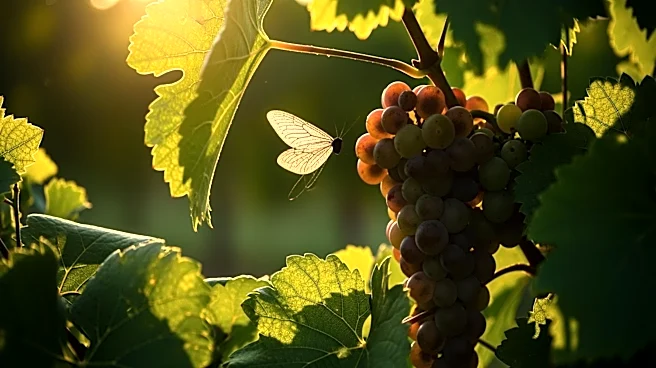
Fruit flies, commonly known as 'vinegar flies,' are a persistent problem in many U.S. households, particularly during warmer months. These pests are attracted to fermented liquids and sugary substances, often found in ripe or rotting fruits and vegetables.
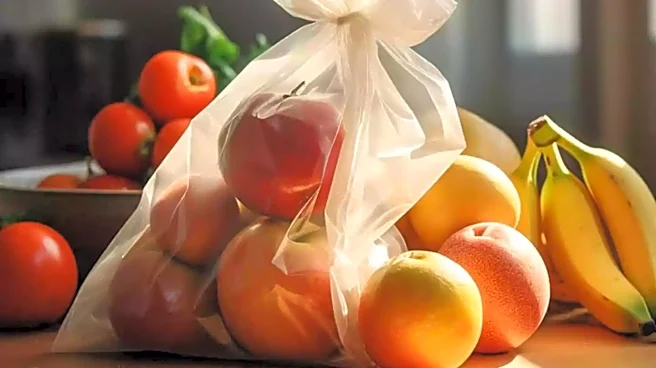
According to Jody Green, an entomologist at the University of Nebraska-Lincoln, fruit flies can breed in small, moist environments such as the bottom of trash bins or in recycling containers with residual soda. To prevent infestations, it is recommended to store fruits and vegetables in the refrigerator, maintain cleanliness by regularly taking out the trash, and ensure that kitchen surfaces are dry and free of food debris. Additionally, using traps made from apple cider vinegar and dish soap can help control existing infestations.
Why It's Important?
The presence of fruit flies in homes can lead to hygiene issues and discomfort for residents. These pests are not only a nuisance but can also contaminate food, leading to potential health risks. The advice provided by experts like Jody Green is crucial for maintaining a clean and pest-free environment, which is particularly important for households with children or individuals with compromised immune systems. By understanding the breeding habits and preferences of fruit flies, homeowners can take proactive measures to prevent infestations, thereby ensuring a healthier living space.
What's Next?
Homeowners are encouraged to implement the recommended preventive measures immediately, especially as the weather warms up, which accelerates the breeding cycle of fruit flies. Continued education on pest control and hygiene practices will be essential in reducing the prevalence of fruit flies in residential areas. Additionally, further research into more effective and environmentally friendly pest control methods could provide long-term solutions for managing fruit fly populations.