



What's Happening?
Federal Reserve officials are contemplating a potential interest rate hike due to rising inflation concerns exacerbated by the ongoing conflict in the Middle East. The Personal Consumption Expenditures Price Index increased to 3.8% in April from 3.5%
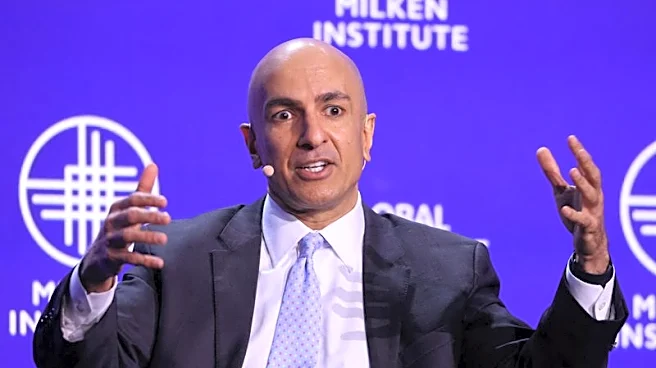
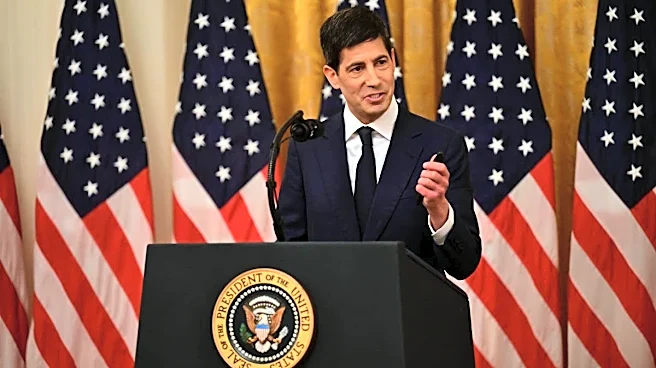
in March, indicating persistent inflation above the Fed's 2% target. Kansas City Fed President Jeffrey Schmid expressed concerns about the prolonged high inflation, suggesting that traditional strategies to overlook energy shocks may not be viable. Fed Vice Chair for Supervision Michelle Bowman noted that the energy shock from the Iran conflict could influence her stance on interest rates. Minneapolis Fed President Neel Kashkari highlighted the risk of unanchored inflation expectations, while financial markets anticipate a rate increase by the year's end.
Why It's Important?
The potential rate hike by the Federal Reserve is significant as it reflects the central bank's response to inflationary pressures that could impact the U.S. economy. Persistent inflation can erode purchasing power and affect economic stability, prompting the Fed to consider tightening monetary policy. A rate hike could influence borrowing costs, consumer spending, and business investments, potentially slowing economic growth. The decision also underscores the Fed's challenge in balancing inflation control with economic recovery, especially amid geopolitical tensions affecting global supply chains and energy prices.
What's Next?
The Federal Reserve's next steps will likely depend on the persistence of inflation and the outcome of the Middle East conflict. If inflation continues to rise, the Fed may proceed with a rate hike to curb price pressures. However, officials like San Francisco Fed President Mary Daly suggest there is no immediate urgency to adjust rates, indicating a cautious approach. The Fed will monitor economic indicators and geopolitical developments closely, with potential adjustments to monetary policy based on evolving conditions. Stakeholders, including businesses and consumers, will be watching for signals from the Fed regarding future policy directions.