
What's Happening?
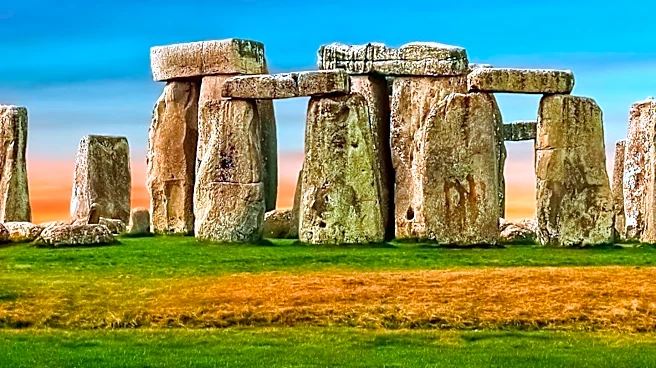
As the 2026 summer solstice approaches, Stonehenge is gearing up for its annual celebration, which marks the longest day of the year in the Northern Hemisphere. The summer solstice, occurring on June 21,
is a time when the Northern Hemisphere is tilted most directly toward the sun, resulting in the longest period of daylight. Stonehenge, an ancient monument built around 2500 BC, is famously aligned with the midsummer sunrise, making it a significant site for solstice celebrations. Visitors can access the site for free from the evening of June 20 until the morning of June 21. Special transportation arrangements, including bus services from Salisbury station, are available for those attending the event. Attendees are advised to prepare for changing weather conditions by wearing sturdy footwear and bringing warm, waterproof clothing. Certain items, such as large umbrellas, oversized bags, and amplified music equipment, are prohibited at the site.
Why It's Important?
The summer solstice at Stonehenge is a globally recognized event that draws thousands of visitors each year, highlighting the cultural and historical significance of the site. This celebration not only honors ancient traditions but also boosts local tourism and economy by attracting international visitors. The event underscores the importance of preserving historical sites and maintaining cultural heritage. For the local community, it provides an opportunity to showcase their region and engage with a diverse group of people. The solstice celebration also serves as a reminder of the Earth's natural cycles and the interconnectedness of human history with the environment.
What's Next?
As the event approaches, organizers will continue to prepare the site to accommodate the influx of visitors. Security measures and logistical arrangements will be finalized to ensure a safe and enjoyable experience for all attendees. Following the solstice, there may be discussions on how to improve future events, considering visitor feedback and environmental impact. The success of this year's celebration could influence planning for other cultural events at Stonehenge and similar historical sites worldwide.
Beyond the Headlines
The Stonehenge summer solstice celebration highlights broader themes of cultural preservation and environmental awareness. It raises questions about the balance between tourism and conservation, as increased foot traffic can impact the site's integrity. The event also reflects a growing interest in reconnecting with nature and understanding ancient practices. As climate change continues to affect global weather patterns, the significance of natural events like the solstice may gain more attention, prompting discussions on sustainability and ecological responsibility.