




What's Happening?
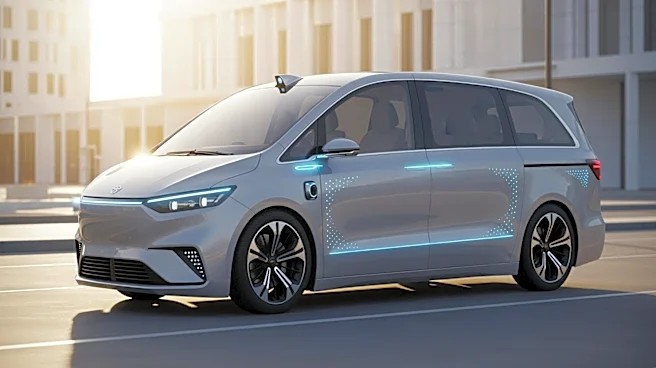
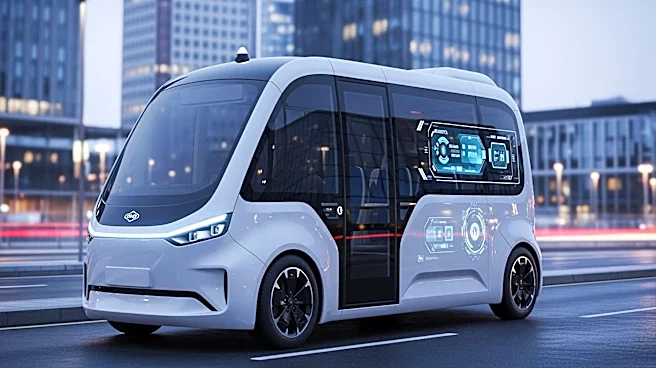
Volkswagen's MOIA America and Uber have commenced on-road testing of autonomous ID. Buzz minibuses in Los Angeles. This marks the initial phase of a deployment plan that aims to offer commercial rides with human safety operators by the end of 2026, transitioning
to fully driverless services in 2027. The ID. Buzz vehicles, equipped with advanced sensor suites, are part of a broader strategy by Uber to act as a distribution layer for autonomous vehicles, leveraging partnerships with technology providers like Mobileye. The testing in Los Angeles is a critical step in a multi-city rollout planned over the next decade.
Why It's Important?
The collaboration between Volkswagen and Uber in Los Angeles highlights a significant shift in urban mobility, emphasizing the role of partnerships in advancing autonomous vehicle technology. By integrating autonomous vehicles into Uber's platform, the companies aim to enhance transportation efficiency and safety. This initiative also positions Los Angeles as a key market for autonomous mobility, potentially influencing regulatory frameworks and public acceptance of self-driving technology. The success of this project could set a precedent for similar deployments in other U.S. cities, contributing to the broader adoption of autonomous vehicles.
What's Next?
As testing progresses, MOIA America plans to expand its fleet in Los Angeles to over 100 vehicles before launching commercial services. The company must navigate California's regulatory landscape, securing necessary permits from the Department of Motor Vehicles and the Public Utilities Commission. The timeline is ambitious, with plans to scale to over 500 autonomous vehicles in Los Angeles by 2027 and expand to additional U.S. cities. The outcome of these efforts will be closely watched by industry stakeholders and could influence future developments in autonomous transportation.