



What's Happening?
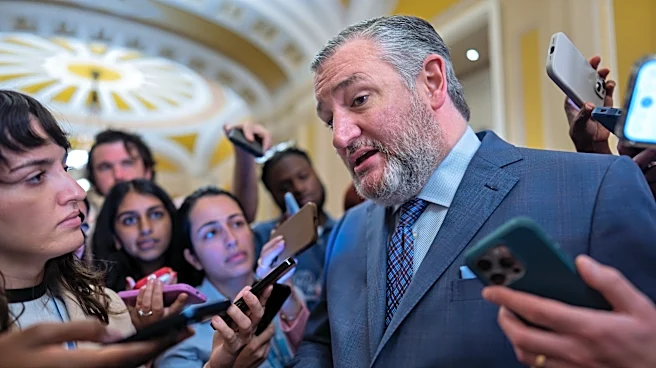
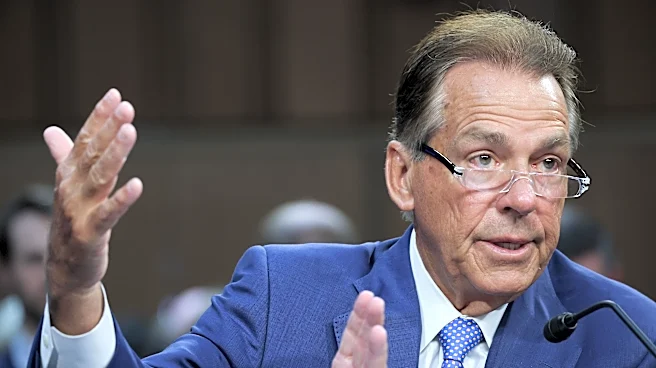
The Southeastern Conference (SEC) and Big Ten are opposing the 'Protect College Sports' bill, which was discussed in a recent congressional hearing. The bill, authored by Senator Ted Cruz and Senator Maria Cantwell, aims to prevent the formation of a 'super
league' by the two conferences, which have been distancing themselves from other college sports leagues. The bill proposes antitrust protections for the NCAA, a five-year eligibility standard, and a cap on athlete revenue-sharing. The SEC and Big Ten, which have been dominating college sports in terms of revenue and recruitment, argue that the bill could destabilize college sports by limiting their ability to expand and consolidate media rights. The bill has drawn criticism from various stakeholders, including Democrats who believe it may limit athlete movement and compensation.
Why It's Important?
The opposition from the SEC and Big Ten highlights the growing tension between major college sports conferences and legislative efforts to regulate them. The bill's passage could significantly impact the financial and competitive landscape of college sports, potentially limiting the power of the SEC and Big Ten. This could affect media rights deals, athlete compensation, and the overall structure of college athletics. Smaller conferences and schools may benefit from a more level playing field, while the SEC and Big Ten could face challenges in maintaining their dominance. The outcome of this legislative effort could set a precedent for how college sports are governed and financed in the future.
What's Next?
Senator Cruz plans to meet with SEC and Big Ten representatives to discuss their concerns, but there is little room for compromise on key provisions of the bill. The legislation is expected to move to a 'markup' session where committee members can propose amendments. The outcome of these discussions and the bill's progress through Congress will be closely watched by stakeholders in college sports. If passed, the bill could lead to significant changes in how college sports are managed, potentially affecting media rights, athlete compensation, and the competitive balance among conferences.