


What's Happening?
Bitcoin's price has encountered resistance at the $75,000 mark, coinciding with increased activity in onchain energy markets. The decentralized exchange Hyperliquid has seen significant trading in commodity futures, particularly those linked to oil, as traditional
markets remain closed. This trend highlights the growing role of blockchain-based markets in price discovery. The ongoing Iran conflict has driven gains in commodity ETFs, with predictions of lasting impacts on key metals. Economists warn of potential inflation increases due to rising oil prices, which could affect central bank interest rate decisions.
Why It's Important?
The current dynamics in the crypto and commodity markets underscore the interconnectedness of global events and financial markets. Bitcoin's struggle to maintain its upward momentum reflects broader market uncertainties, including geopolitical tensions and economic policy shifts. The increased use of blockchain for trading commodities suggests a shift towards decentralized finance solutions, which could reshape traditional market structures. Investors and policymakers will need to navigate these complexities as they assess the implications for inflation, interest rates, and overall market stability.
What's Next?
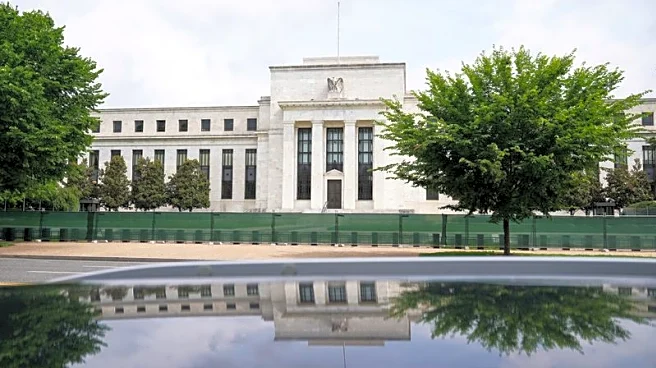
As the Federal Reserve prepares to announce its interest rate decision, market participants will be closely watching for signals on future monetary policy. The outcome could influence risk asset valuations, including cryptocurrencies. Additionally, the continued development of onchain commodity markets may attract more capital, potentially impacting the allocation of investments across different asset classes. Stakeholders will need to monitor these trends to adapt their strategies in response to evolving market conditions.