






What's Happening?
The adoption of artificial intelligence (AI) in trademark creation and enforcement is reshaping the legal landscape. According to a report by the International Trademark Association, 74% of in-house practitioners now use AI tools, which has led to significant
changes in how trademarks are created, cleared, and enforced. AI tools enable marketing teams to generate numerous names and logos quickly, but this speed introduces risks, such as unintentional similarities to existing brands. AI's limitations in understanding consumer perception pose challenges, as trademark law heavily relies on consumer perception. The U.S. Patent and Trademark Office's Class ACT tool, which uses AI to assign classes and design codes, marks a shift in examination processes. However, AI-generated content in legal disputes can complicate matters due to potential inaccuracies and the difficulty in verifying AI outputs.
Why It's Important?
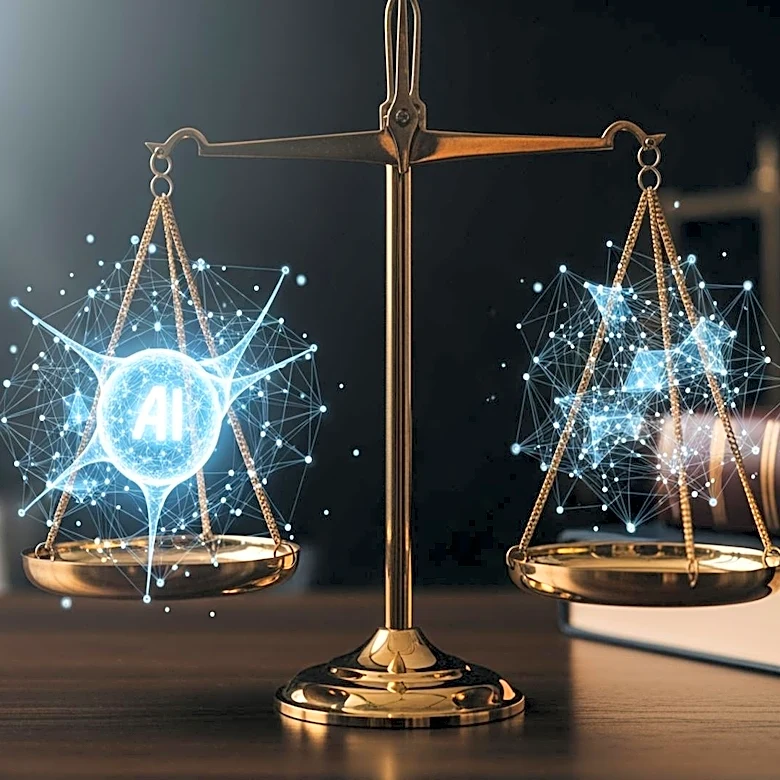
The integration of AI in trademark processes has significant implications for legal practices and brand management. While AI can streamline the creation and clearance of trademarks, it also introduces complexities that require careful oversight. Legal teams must adapt to AI's influence on examiner behavior and adversary tactics to provide effective counsel. The use of AI in generating legal documents and responses can reduce costs and increase efficiency, but it also raises concerns about the reliability of AI-generated content. As AI tools become more prevalent, the need for human judgment in legal decisions remains crucial to ensure accuracy and compliance with trademark laws.
What's Next?
As AI continues to influence trademark processes, legal teams are expected to update their systems and workflows to accommodate AI's role in trademark creation and enforcement. Companies may need to establish clear policies regarding the use of AI tools to prevent potential legal issues. The ongoing development of AI technologies will likely lead to further changes in how trademarks are managed, requiring continuous adaptation by legal professionals. The balance between leveraging AI's capabilities and maintaining human oversight will be critical in navigating the evolving trademark landscape.