



What's Happening?
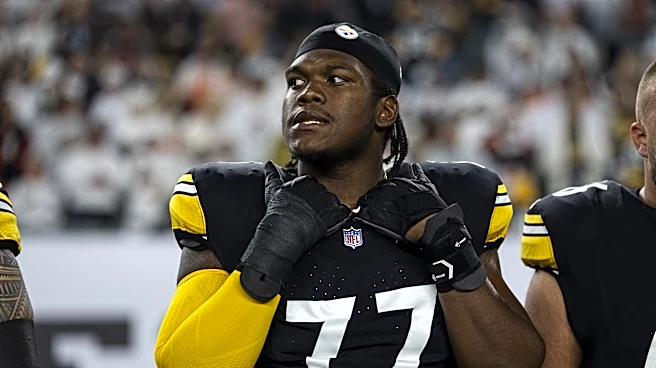
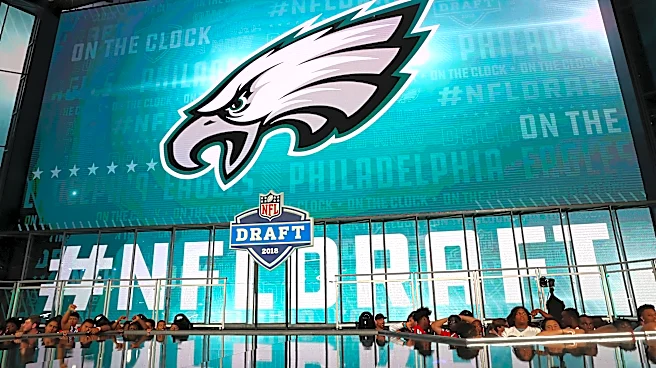
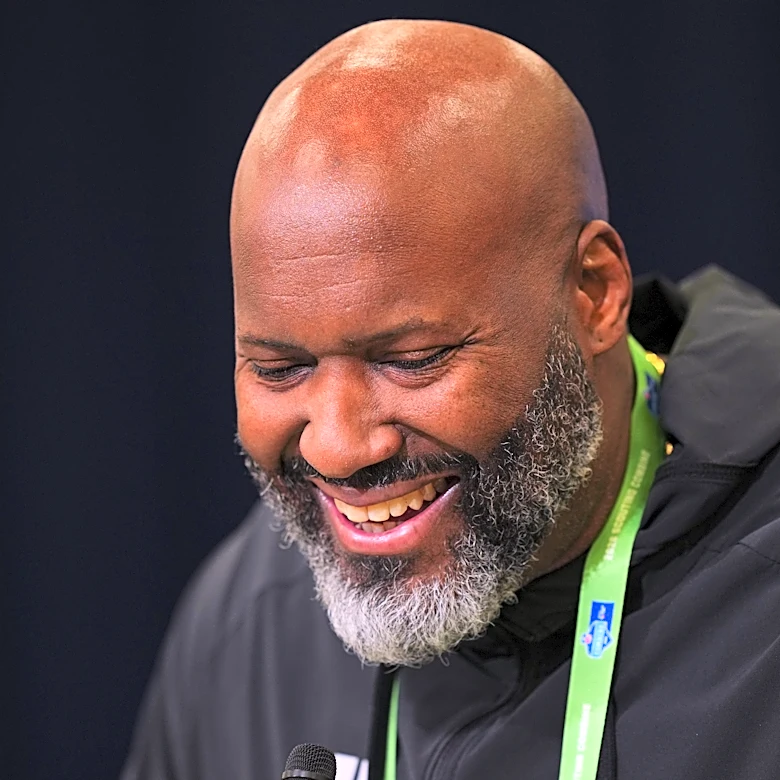
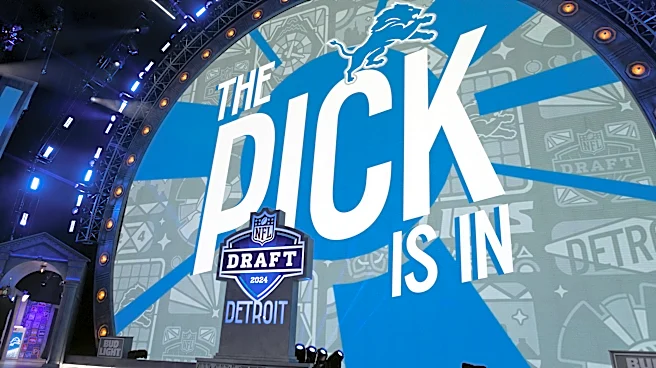
The NFL has implemented a new rule for the 2026 draft, reducing the time allowed between first-round picks from ten minutes to eight. This change has sparked concern among some general managers, including Steelers GM Omar Khan, who expressed a preference
for the previous ten-minute interval. Khan noted that the reduced time feels significantly shorter and has led to increased pre-draft discussions about potential trades. The change marks the first adjustment to the timing of first-round picks since 2008, when the interval was reduced from fifteen to ten minutes. Despite the concerns, the timing for rounds two through seven remains unchanged, with teams allotted seven minutes for second-round picks, five minutes for rounds three to six, and four minutes for the seventh round.
Why It's Important?
The reduction in time between first-round picks could have significant implications for team strategies during the draft. General managers may feel pressured to make quicker decisions, potentially affecting the quality of their selections. The change could also lead to more pre-draft negotiations and strategic planning, as teams attempt to mitigate the impact of the reduced decision-making window. This adjustment may influence the dynamics of the draft, with teams needing to be more decisive and prepared. The rule change reflects the NFL's ongoing efforts to streamline the draft process, but it also highlights the balance between efficiency and the need for thorough decision-making in high-stakes situations.
What's Next?
As the draft approaches, teams are likely to continue engaging in extensive pre-draft discussions to prepare for the reduced time frame. General managers may need to adjust their strategies and rely more on pre-determined plans and contingencies. The effectiveness of these preparations will become evident during the draft, potentially influencing future discussions about the optimal timing for draft picks. Stakeholders, including team executives and coaches, will be closely monitoring the impact of the new rule to assess whether further adjustments are necessary in subsequent drafts.