
What's Happening?
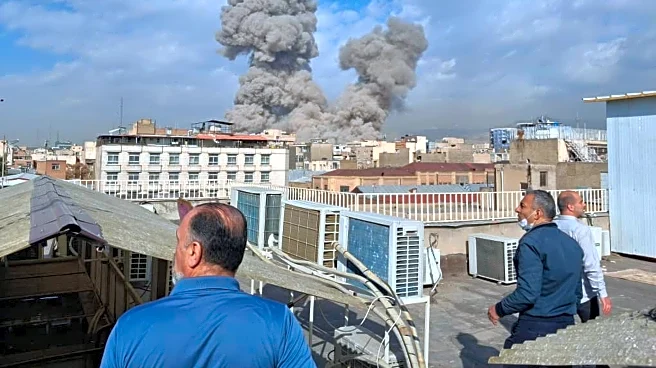
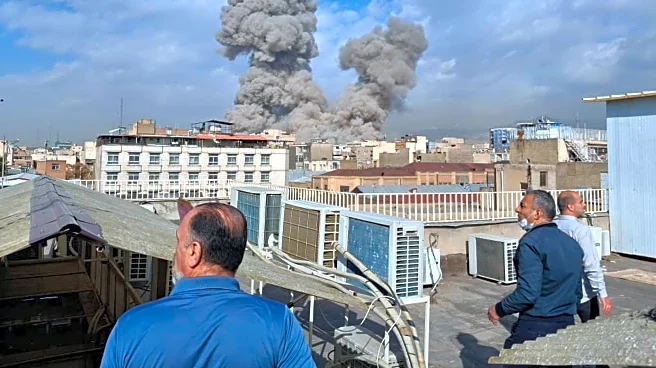
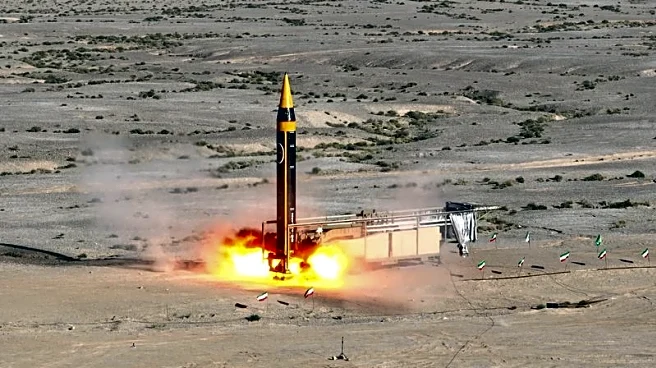
Formula 1 officials are closely monitoring the escalating tensions in the Middle East following retaliatory missile strikes in the region. These developments come after the United States and Israel launched an attack on Iran. The F1 season is set to begin
in Australia next weekend, with subsequent races in China and Japan before moving to the Middle East for the Bahrain Grand Prix on April 12 and the Saudi Arabian Grand Prix on April 19. An F1 spokesperson stated that the organization is working closely with relevant authorities to assess the situation. Additionally, tire manufacturer Pirelli has canceled its scheduled F1 tire testing in Bahrain due to the current instability.
Why It's Important?
The situation in the Middle East poses potential risks to the safety and logistics of the upcoming Formula 1 races in Bahrain and Saudi Arabia. The geopolitical tensions could impact travel, security arrangements, and the overall execution of these events. For the F1 community, which includes teams, drivers, and fans, the uncertainty may lead to changes in race schedules or even cancellations, affecting the sport's global calendar. Moreover, the economic implications for the host countries are significant, as these events attract substantial tourism and international attention, contributing to local economies.
What's Next?
Formula 1 will continue to assess the situation in collaboration with local authorities and international bodies to ensure the safety of all participants and attendees. Decisions regarding the races in Bahrain and Saudi Arabia will likely depend on the developments in the region over the coming weeks. Stakeholders, including teams and sponsors, will be keenly observing the situation, as any changes could have financial and logistical repercussions. The F1 community may need to prepare for contingency plans, including potential rescheduling or relocation of the races.