


What's Happening?
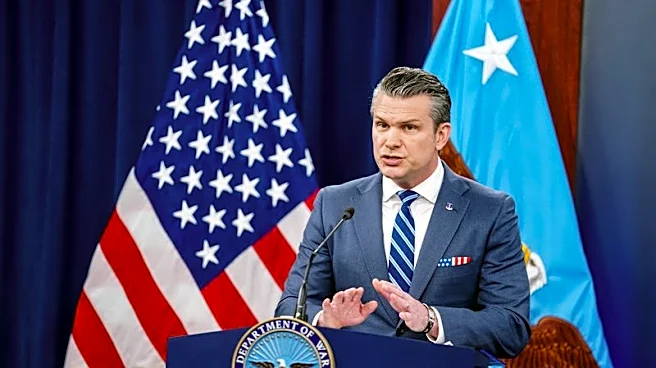
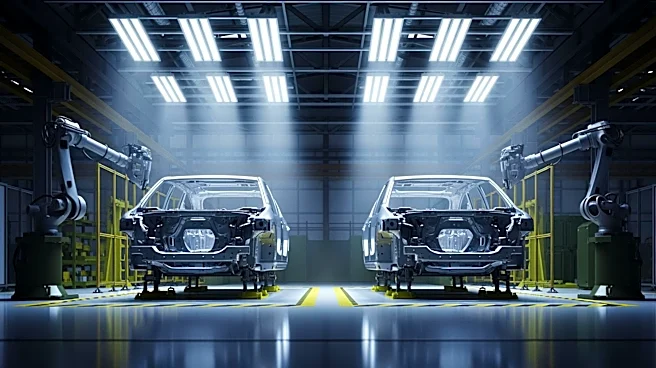
The Trump administration is exploring the possibility of engaging major U.S. automakers, Ford and General Motors, in boosting weapons production. This initiative is part of a broader push to place military manufacturing on a 'wartime footing,' reminiscent
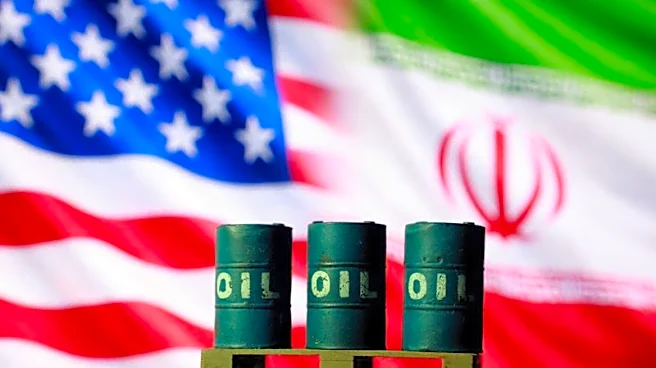
of World War II efforts when automakers shifted from civilian to military production. Senior Pentagon officials have held discussions with Ford CEO Jim Farley and GM CEO Mary Barra to assess their capacity to support increased munitions output amid rising global demand due to conflicts in Ukraine and Iran. The administration believes these companies can leverage their workforce and manufacturing capabilities to replenish military stockpiles.
Why It's Important?
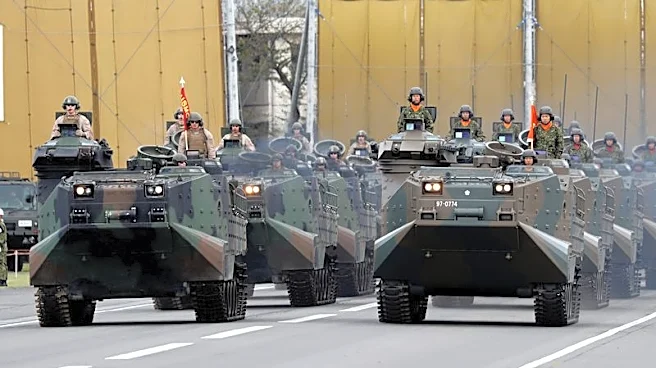
The initiative reflects the administration's strategy to rapidly expand the defense industrial base by utilizing commercial solutions and technologies. This approach aims to ensure that U.S. military forces maintain a decisive advantage in global conflicts. By tapping into the manufacturing capabilities of Ford and GM, the administration seeks to bolster the production of key military systems, such as missiles and counter-drone technology. The move also highlights the increasing demand for military resources amid ongoing international tensions, emphasizing the need for a robust and resilient supply chain.
What's Next?
The discussions with Ford and GM are preliminary, and the administration is likely to continue exploring partnerships with other industrial giants, such as GE Aerospace and Oshkosh Defense. The Pentagon's focus on expanding production capabilities may lead to further collaborations with companies that can provide advanced manufacturing solutions. As the administration seeks to integrate American innovation into defense production, the outcome of these talks could shape future military manufacturing strategies and influence the U.S. defense industry's role in global conflicts.
Beyond the Headlines
The initiative raises questions about the ethical implications of converting civilian manufacturing capabilities to military production. It also highlights the historical parallels with World War II, when the U.S. mobilized its industrial base for wartime efforts. The potential shift in manufacturing priorities may impact the automotive industry, affecting jobs and production lines. Additionally, the focus on military manufacturing underscores the broader geopolitical challenges facing the U.S. and its allies, as they navigate complex international conflicts.