
What's Happening?
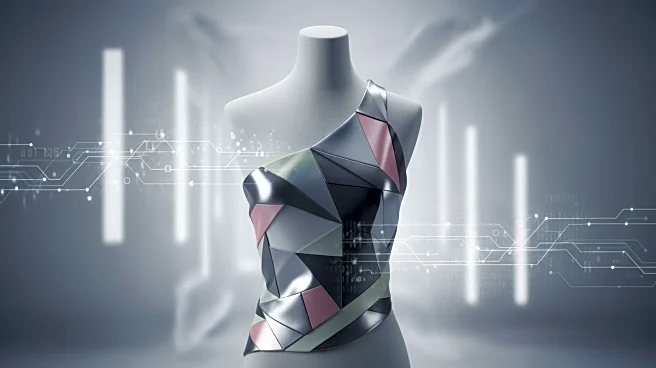
The fashion industry experienced significant workplace changes in 2025, driven by the rise of generative artificial intelligence and economic challenges. President Trump's executive orders led to the rollback
of diversity, equity, and inclusion (DEI) programs, impacting companies like Target. Despite these challenges, female founders and entrepreneurs from marginalized communities continued to push forward. Major companies like Amazon, Nike, and Target underwent layoffs and leadership changes, while others like Walmart and Kohl's appointed new CEOs.
Why It's Important?
The changes in the fashion industry reflect broader trends in the workplace, where AI and economic pressures are reshaping job roles and company strategies. The rollback of DEI programs highlights the political and cultural shifts affecting corporate policies. The resilience of female founders and marginalized entrepreneurs demonstrates the potential for innovation and adaptation in challenging environments. These developments could influence future workplace dynamics and the role of AI in creative industries.
What's Next?
As the industry looks to 2026, further changes in workplace dynamics are expected, with AI continuing to play a significant role. Companies may need to balance technological advancements with the value of human creativity. The political landscape and economic conditions will likely continue to influence corporate strategies and DEI initiatives. The industry's ability to adapt to these changes will be crucial for future success.






![Cortisol vs. Melatonin: The Biological War Happening Inside Every Night-Shift Worker]](https://glance-mob.glance-cdn.com/public/cardpress/binge-magazine-card-generation/spaces/US/en/discover-daily/images/ppid_7byehtbd-image-177082393426031154.webp)