




What's Happening?
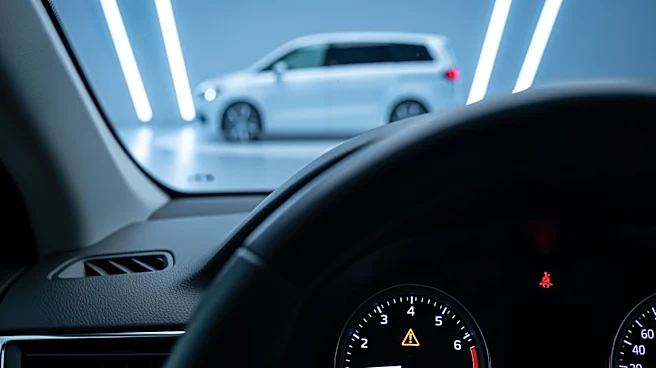
Honda has announced a voluntary recall of approximately 440,000 Odyssey minivans manufactured between 2018 and 2022. The recall is due to a defect in the side curtain and side airbag deployment systems, which are overly sensitive to underbody impacts.
This sensitivity could cause the airbags to deploy unexpectedly when the vehicle encounters potholes, speed bumps, or road debris, potentially increasing the risk of crashes or injuries. As of early April, there have been 25 reported injuries linked to this issue, though no fatalities have been reported. Honda, a major employer in Ohio with over 15,000 employees, is addressing the problem by offering to reprogram or replace the airbag systems at authorized dealerships. Affected vehicle owners will be notified by mail.
Why It's Important?
This recall is significant as it highlights ongoing safety concerns within the automotive industry, particularly regarding airbag systems. The unexpected deployment of airbags can lead to accidents, posing a risk to drivers and passengers. For Honda, this recall could impact its reputation for safety and reliability, potentially affecting consumer trust and sales. The recall also underscores the importance of rigorous quality control and testing in vehicle manufacturing to prevent such issues. For the affected vehicle owners, the recall represents an inconvenience and potential safety hazard, necessitating prompt action to ensure their vehicles are safe to drive.
What's Next?
Honda will begin notifying registered owners of the affected Odyssey minivans by mail, advising them to visit authorized dealerships for the necessary repairs. The company will likely monitor the situation closely to ensure compliance and address any further issues that may arise. Additionally, Honda may face scrutiny from regulatory bodies and consumer safety organizations, which could lead to further investigations or requirements for additional safety measures. The automotive industry as a whole may also see increased pressure to enhance safety protocols and improve airbag system designs to prevent similar issues in the future.