







What's Happening?
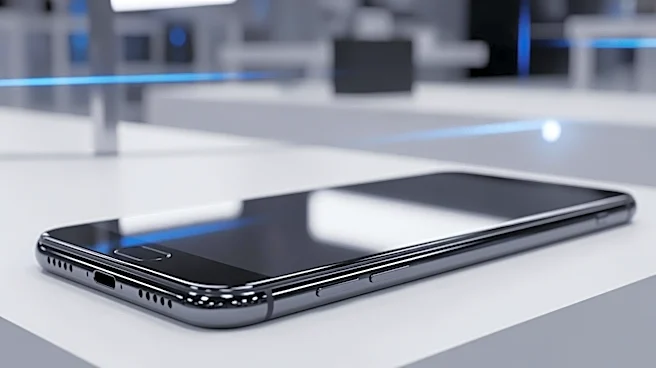
Trump Mobile has announced that the Trump Mobile T1 phone will begin shipping this week to customers who preordered it, following several months of production delays. The phone, initially set to launch in August 2025, faced setbacks due to quality assurance
testing and other production challenges. Trump Mobile CEO Pat O'Brien emphasized the complexity of the technology business and the importance of ensuring product quality. The T1 phone, which was initially marketed as 'made in the US,' has since dropped this claim, now described as 'designed with American values in mind.' The phone features a 6.78-inch AMOLED screen, a 50-megapixel front-facing camera, and a Snapdragon mobile platform, among other specifications. Despite the delays, the company continues to accept $100 deposits for the phone, which is priced at $499.
Why It's Important?
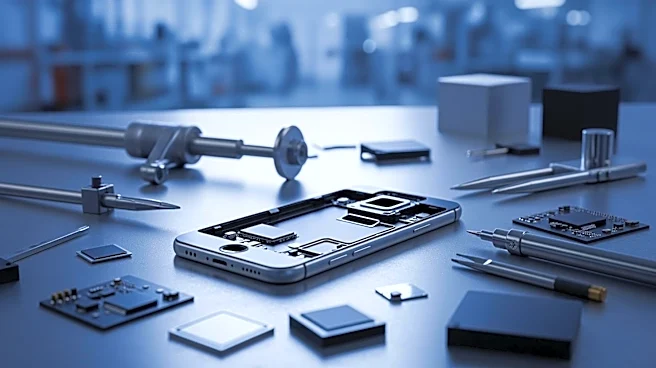
The launch of the Trump Mobile T1 phone is significant as it represents an intersection of technology and political branding. The phone's release could impact the mobile market by introducing a new player with a distinct political affiliation, potentially appealing to a specific consumer base. The production delays highlight the challenges of domestic manufacturing in the tech industry, especially for new entrants. The shift from a 'made in the US' claim to a focus on American values reflects broader economic and logistical realities faced by companies attempting to manufacture domestically. This development may influence consumer perceptions and purchasing decisions, particularly among those who prioritize American-made products.
What's Next?
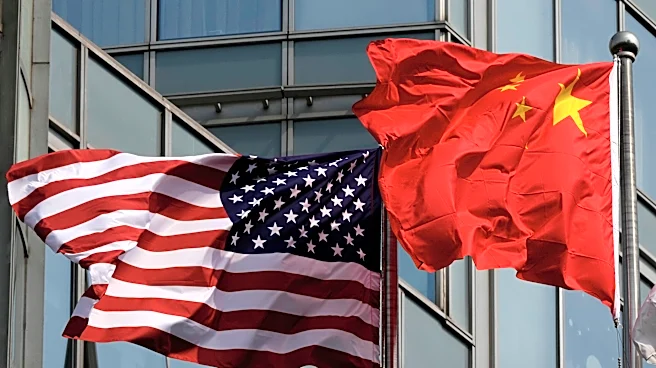
As the T1 phone begins shipping, consumer feedback and reviews will likely shape its market reception. The company's ability to fulfill orders promptly and address any technical issues will be crucial in establishing its reputation. Additionally, the ongoing trade discussions between President Trump and President Xi Jinping could have implications for Trump Mobile's supply chain and manufacturing processes, especially if tariffs or trade agreements are adjusted. The company's future strategies may include expanding its product line or enhancing its marketing efforts to solidify its position in the competitive mobile market.