
What's Happening?
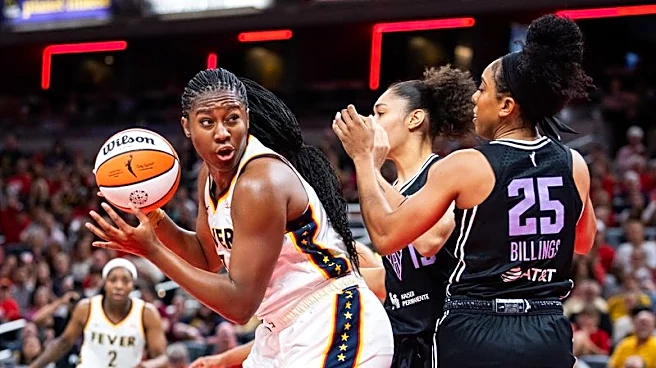
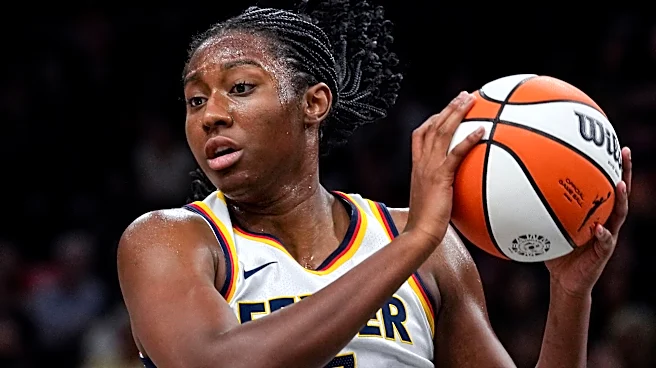
The WNBA has implemented a new Collective Bargaining Agreement (CBA) that significantly increases player salaries across the league. The salary cap for teams has risen to $7 million in 2026, up from $1.5
million the previous season. This change has allowed players like Indiana Fever's Kelsey Mitchell to sign lucrative contracts, with Mitchell securing a $1.4 million supermax deal. The new CBA also impacts rookies and recent draftees, with their salaries being adjusted upwards. For instance, Indiana Fever's Caitlin Clark's salary increased from $85,873 to $528,846. The agreement introduces the Exceptional Performance on Initial Contract (EPIC) extension, benefiting players who achieve significant accolades early in their careers.
Why It's Important?
The new CBA represents a major shift in the financial landscape of the WNBA, providing players with more substantial earnings and reflecting the league's growth and increased revenue. This development is crucial for attracting and retaining top talent, as players can now earn salaries that are more competitive with other professional sports leagues. The increased financial incentives also encourage players to excel and achieve accolades, potentially raising the overall level of competition in the league. For teams, the ability to offer higher salaries can help in building stronger, more stable rosters.
What's Next?
As the WNBA season progresses, the impact of the new CBA will continue to unfold. Teams will navigate the increased salary cap to optimize their rosters, while players may seek to leverage the EPIC extension for further financial gains. The league will monitor the effects of these changes on player performance and team dynamics. Additionally, the increased salaries may influence future negotiations and the overall direction of the league's growth and development.