





What's Happening?
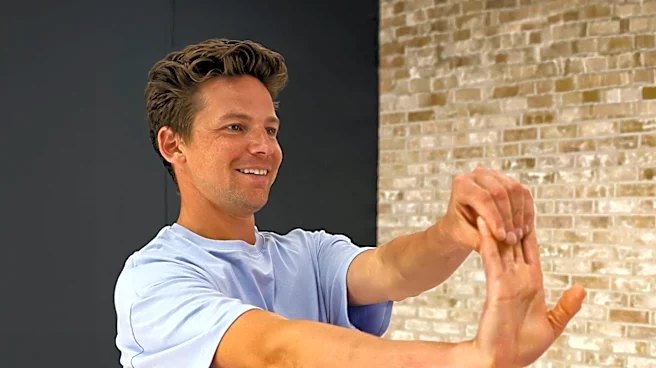
Jacob Fein, a fitness trainer based in Jerusalem, is pioneering efforts to introduce physical fitness into the ultra-Orthodox Jewish community. Fein, who moved to Israel after college, initially struggled with his own fitness journey before hiring a trainer in 2018.
This personal transformation led him to realize the broader benefits of fitness, including improved energy and mental health. Fein now works with a diverse clientele, including secular and religious men, focusing on integrating fitness into their lives without compromising religious practices. He aims to dispel misconceptions that fitness is solely about appearance, advocating for its role in enhancing overall well-being and spiritual life.
Why It's Important?
Fein's initiative is significant as it challenges traditional perceptions within the ultra-Orthodox community, where physical fitness is often seen as secondary to spiritual pursuits. By promoting fitness, Fein is addressing health and lifestyle issues that are not commonly prioritized in these communities. His work could lead to a cultural shift, encouraging more individuals to embrace physical health as part of their religious and daily lives. This integration has the potential to improve quality of life, increase energy levels, and foster a more balanced approach to personal well-being, benefiting both individuals and the community at large.
What's Next?
Fein plans to continue expanding his reach within the ultra-Orthodox community, potentially including women in his training programs in the future. He faces challenges such as accommodating religious observances like Shabbat and holidays, but remains committed to finding solutions that respect these traditions. Fein's efforts may inspire other trainers to adopt similar approaches, further promoting fitness in religious communities. As awareness grows, there could be increased demand for fitness programs tailored to the unique needs of these groups, fostering a broader acceptance of physical health as integral to spiritual and community life.
Beyond the Headlines
Fein's work highlights the intersection of physical and spiritual well-being, suggesting that fitness can enhance religious practice rather than detract from it. This approach may lead to broader discussions about the role of physical health in religious communities, potentially influencing educational and community programs. Fein's success could encourage other communities to reconsider the balance between spiritual and physical self-care, promoting a holistic view of health that encompasses both body and spirit. This shift could have long-term implications for community health initiatives and the integration of wellness practices into religious life.