





What's Happening?
Dr. Sanjay Bhojraj, an interventional cardiologist, has highlighted the potential dangers of certain foods commonly consumed by children. He emphasizes the importance of avoiding 'toxic' foods such as flavored yogurts, processed meats, and sugary cereals
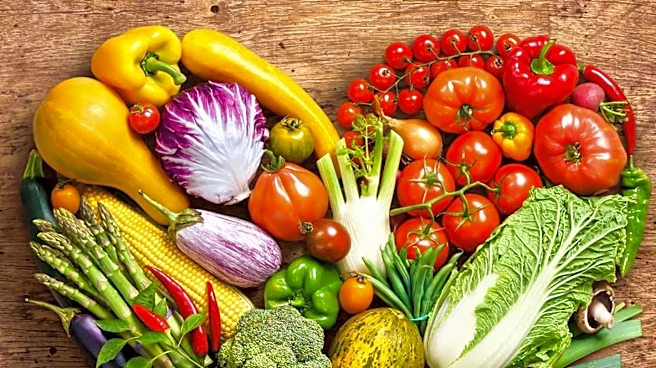
and drinks. These items are often high in added sugars, sodium, preservatives, and artificial dyes, which can negatively impact cardiovascular health. Bhojraj advises parents to opt for healthier alternatives like plain Greek yogurt with fresh fruits, whole grain cereals, and unprocessed proteins such as grilled chicken and plant-based options. The American Heart Association supports these recommendations, noting that dietary habits formed early in life can significantly influence long-term heart health.
Why It's Important?
The dietary choices made during childhood can have lasting effects on an individual's health trajectory. With obesity affecting 21% of children and adolescents in the U.S., there is a direct link to increased risks of heart disease. By promoting heart-healthy diets from an early age, parents can help set a foundation for better cardiovascular health in adulthood. The emphasis on reducing added sugars and processed foods aligns with broader public health goals to combat obesity and related diseases. This approach not only benefits individual health but also has implications for reducing healthcare costs and improving quality of life across the population.
What's Next?
Parents and caregivers are encouraged to lead by example, as children often mimic the dietary habits they observe. By making conscious choices to include more whole foods and less processed items in family meals, they can instill healthier eating patterns. Public health campaigns and educational programs may further support these efforts by providing resources and guidance on nutritious meal planning. Additionally, ongoing research into the effects of diet on long-term health outcomes will continue to inform best practices for childhood nutrition.