




What's Happening?
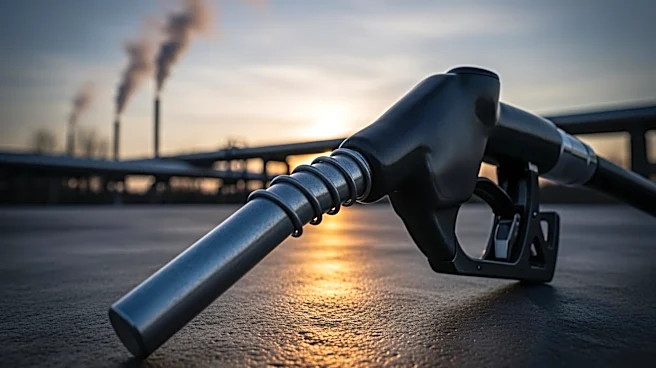
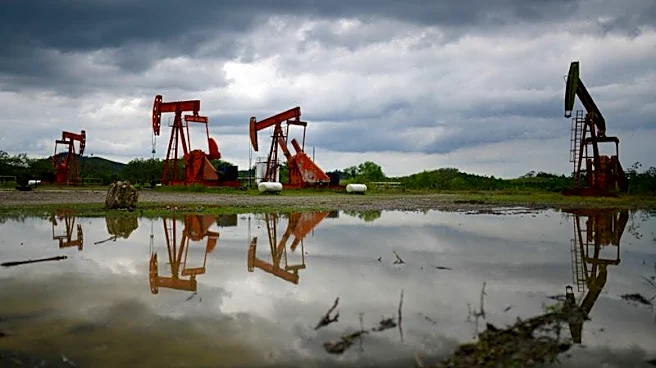
The ongoing conflict between the US, Israel, and Iran has led to sustained high gas prices, with no resolution in sight. The closure of the Strait of Hormuz has significantly reduced oil and natural gas production, impacting global energy markets. Despite
initial hopes for a quick resolution, the conflict has persisted for over 100 days, locking in high energy prices for the summer and potentially beyond. Analysts warn that even if the conflict ends soon, the disruptions to energy supply chains will have lasting effects on prices and availability.
Why It's Important?
The prolonged high gas prices pose significant challenges for the US economy, contributing to inflation and affecting consumer spending. The energy sector's instability impacts various industries, including travel, manufacturing, and agriculture. The situation underscores the geopolitical risks associated with energy dependency and highlights the need for strategic energy policies. For the US government, addressing these challenges is crucial to maintaining economic stability and public confidence. The conflict's impact on energy markets also has broader implications for global economic conditions.
What's Next?
The US government may explore diplomatic or strategic measures to stabilize energy markets and mitigate economic impacts. The conflict's resolution could lead to a gradual normalization of energy prices, but the timeline remains uncertain. Businesses and consumers may need to adapt to sustained high prices, potentially seeking energy efficiency measures or alternative sources. Monitoring the conflict's developments and their impact on energy markets will be essential for economic stakeholders. The situation may prompt discussions on energy independence and diversification to reduce vulnerability to geopolitical conflicts.