







What's Happening?
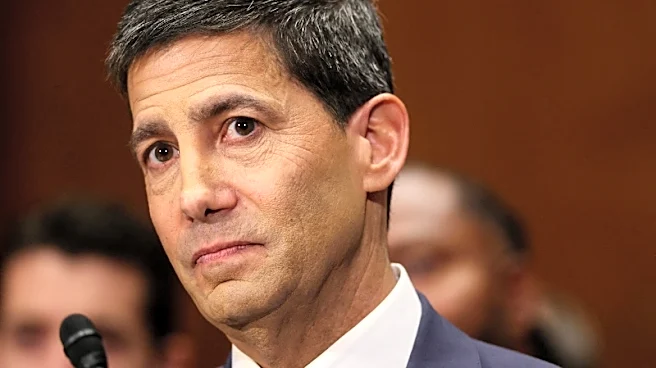
Kevin Warsh, the incoming leader of the Federal Reserve, has expressed concerns about the frequency of communication from Fed officials regarding economic matters. During his recent confirmation hearing, Warsh emphasized that truth-seeking should take
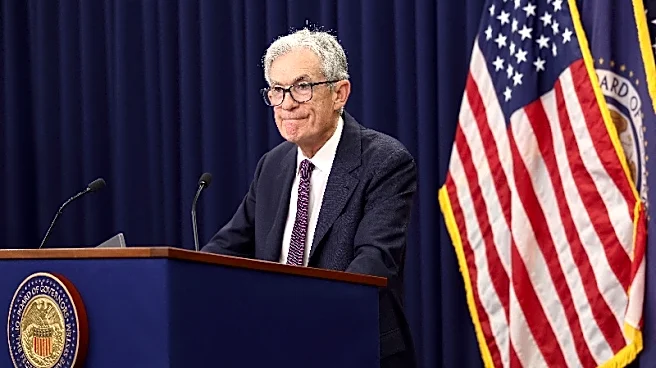
precedence over repetitive communication. He suggested that the Fed's current approach to communication, which includes media interviews, press conferences, public speeches, and policy statements, might benefit from a new framework and tools. Historically, the Fed maintained a more reserved communication style until the 1990s when Alan Greenspan introduced post-meeting policy statements. Subsequent leaders have expanded this communication strategy, including formal news conferences initiated by Ben Bernanke in 2011. Warsh's comments have sparked a debate about the effectiveness and necessity of frequent communication, with some experts agreeing that times of uncertainty can make predictions challenging.
Why It's Important?
The frequency and style of communication from the Federal Reserve have significant implications for financial markets and economic stakeholders. Clear communication can guide market expectations and influence interest rates, as seen in past instances where the Fed signaled its intentions to manage inflation. However, excessive communication during uncertain times can lead to confusion and misinterpretation, potentially destabilizing markets. Warsh's proposal to reduce communication frequency could represent a shift in how the Fed interacts with the public and markets, impacting how economic policies are perceived and implemented. Stakeholders such as economists, analysts, and market participants closely monitor Fed communications to make informed decisions, and any changes to this approach could alter their strategies.
What's Next?
If Kevin Warsh implements changes to the Fed's communication strategy, it could lead to a reduction in press conferences and public statements. This shift may require market participants to rely more on indirect signals and economic indicators to infer the Fed's policy intentions. The regional presidents of the Fed banks, who have their own communication practices, may also need to adjust their approach. The broader financial community will likely respond by adapting their analysis and forecasting methods to align with any new communication protocols. Additionally, ongoing economic uncertainties, such as geopolitical tensions, may continue to challenge the Fed's ability to provide clear guidance.
Beyond the Headlines
The debate over the Fed's communication strategy touches on deeper issues of transparency and accountability in economic governance. While frequent communication can enhance transparency, it also raises questions about the effectiveness of such interactions in times of economic volatility. The balance between providing sufficient information and avoiding information overload is crucial for maintaining public trust and ensuring that economic policies are effectively communicated. Warsh's critique may prompt discussions about the ethical and practical dimensions of central bank communication, potentially influencing future policy frameworks.