






What's Happening?
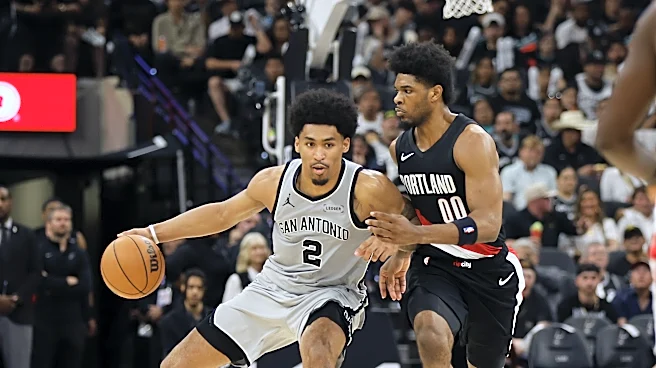
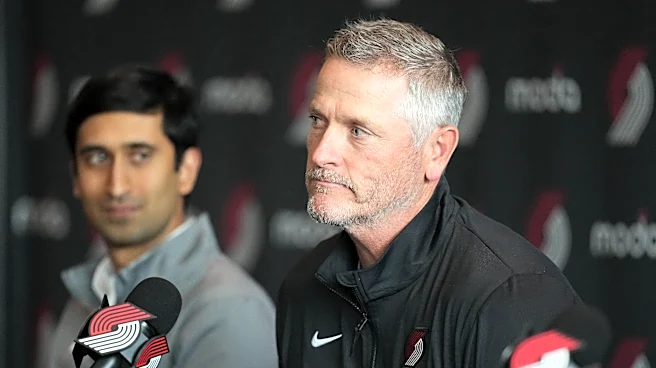
Tom Dundon, the new owner of the Portland Trail Blazers, is facing criticism for implementing cost-cutting measures during the NBA playoffs. Reports indicate that Dundon has decided not to bring the team's two-way players to the first two games of their
playoff series against the San Antonio Spurs, a move seen as a cost-saving strategy. This decision has sparked controversy as it deviates from standard NBA practices, where teams typically include all players in playoff travel. Dundon's approach has been scrutinized since he acquired the team for $4.25 billion, with additional reports of cost-saving measures affecting team operations and fan engagement.
Why It's Important?
Dundon's cost-cutting measures could impact team morale and performance, as excluding players from playoff travel may affect team cohesion and support. This approach also raises questions about the financial management of sports franchises and the balance between profitability and competitive integrity. For the NBA, such practices could set a precedent that influences how other team owners manage expenses, potentially affecting the league's overall image and operations. Fans and stakeholders are closely monitoring the situation, as it may influence future ownership decisions and team management strategies.
What's Next?
The Trail Blazers will need to address the backlash from fans and stakeholders regarding Dundon's cost-cutting measures. As the playoff series continues, the team's performance and fan engagement will be critical in assessing the impact of these decisions. Dundon may need to reconsider his approach to maintain support from the team's fan base and ensure the franchise's long-term success. Additionally, the NBA may review its policies to prevent similar situations in the future, ensuring that all teams adhere to standards that promote fair competition and player welfare.