
What's Happening?
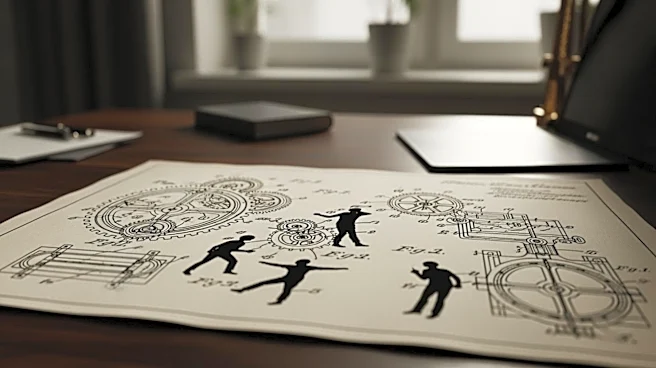
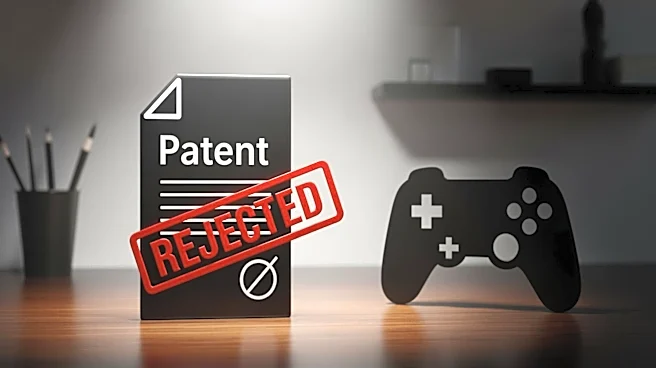
The United States Patent and Trademark Office (USPTO) has rejected a patent submitted by Nintendo that involves an in-game character summoning a sub-character to assist in battle. This decision was based
on prior art references from published US patent applications. The rejection is non-final, allowing Nintendo two months to respond or appeal. This patent was initially approved in September 2025, but a re-examination was announced in November of the same year. Nintendo has been actively protecting its intellectual property, as evidenced by a lawsuit filed in September 2024 against Pocketpair for alleged patent infringement related to the game Palworld. The lawsuit claims infringement on multiple patents, including those related to monster capture and release mechanics.
Why It's Important?
The rejection of Nintendo's patent could have significant implications for the gaming industry, particularly in how game mechanics are patented and protected. This decision may influence other companies in their approach to patenting game features, potentially leading to more cautious strategies in intellectual property claims. For Nintendo, this rejection could impact its ability to protect its innovations, affecting its competitive edge in the gaming market. The ongoing legal battle with Pocketpair highlights the challenges companies face in defending their intellectual property, which can lead to costly and prolonged litigation. The outcome of these proceedings could set precedents for future intellectual property disputes in the gaming industry.
What's Next?
Nintendo has the option to respond to the USPTO's rejection within two months, potentially appealing the decision. If Nintendo chooses to appeal, the process could extend the timeline for a final decision. Meanwhile, the lawsuit against Pocketpair continues, with both parties preparing for legal proceedings. The outcome of this case could influence Nintendo's strategy in protecting its intellectual property and may lead to further adjustments in its approach to patent applications. The gaming industry will be closely watching these developments, as they could affect how game mechanics are patented and litigated in the future.