




What's Happening?
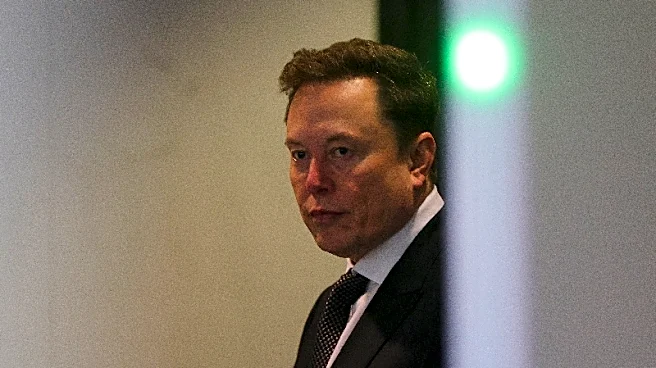
Elon Musk's lawsuit against Sam Altman, Greg Brockman, OpenAI, and Microsoft has been dismissed by a California jury. Musk alleged that his co-founders at OpenAI had wrongfully transitioned the organization into a for-profit entity, effectively 'stealing
a charity'. The jury found that Musk's claims were filed too late, as the statute of limitations had expired. The trial, which included testimonies from key Silicon Valley figures, focused on whether promises made to Musk were broken. The jury's decision removes a potential restructuring threat to OpenAI, which is reportedly preparing for an IPO.
Why It's Important?
The verdict is significant for the tech industry, particularly in the realm of artificial intelligence. OpenAI's ability to continue its operations without the threat of restructuring is crucial as it positions itself for an IPO. The case also highlights the legal complexities surrounding the transition of non-profit organizations to for-profit entities, a topic of interest for both legal experts and tech entrepreneurs. The outcome may influence future legal strategies and corporate governance practices within the tech sector. Additionally, Musk's decision to appeal suggests ongoing legal battles that could impact OpenAI's business operations and investor confidence.
What's Next?
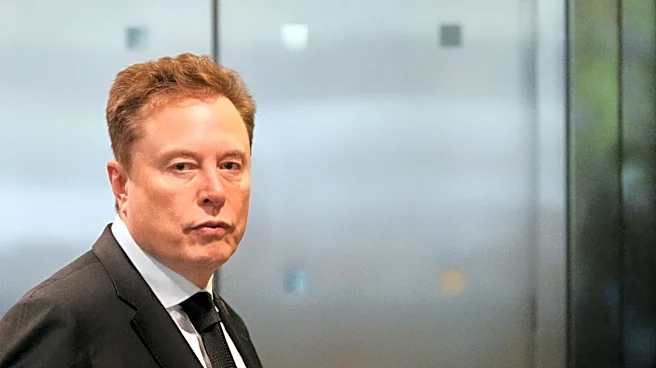
Elon Musk has indicated plans to appeal the decision, which could prolong the legal battle and continue to draw public and media attention. The appeal process may further explore the legal boundaries of charitable contributions and their conversion into for-profit ventures. OpenAI and its partners, including Microsoft, will likely focus on maintaining operational stability and preparing for the anticipated IPO. The tech community will be watching closely to see how this legal precedent might affect other organizations considering similar structural changes.