
What's Happening?
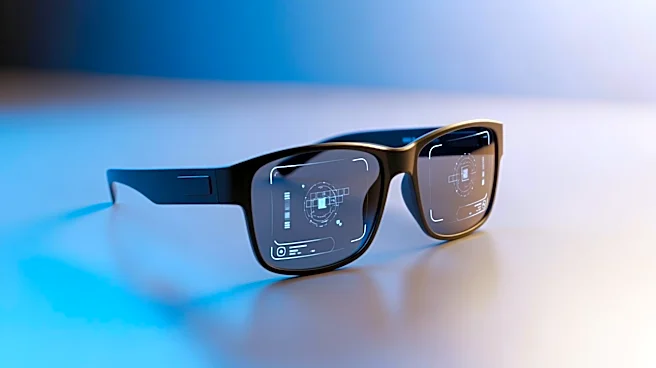
Several major technology companies, including Apple, Snap, Meta, Warby Parker, Google, and Amazon, are preparing to launch augmented reality (AR) devices in 2026. Apple is reportedly testing four different
smart-glass designs, indicating a potential tiered pricing strategy. Snap has created a subsidiary, Specs, to accelerate the development and distribution of its AR glasses, aiming to integrate more social features. Meta continues to develop multiple AR/MR designs, which could slow down the mass rollout but maintain market competitiveness. Warby Parker and Google are collaborating to integrate AR features into retail frames, potentially making AR more accessible to everyday consumers. Amazon is also developing consumer AR glasses, suggesting a strategy focused on low-cost, wide distribution. These developments indicate a significant shift from prototypes to consumer-ready products, with companies aiming to capture different segments of the market.
Why It's Important?
The upcoming AR device launches in 2026 are poised to significantly impact the consumer technology landscape. By offering a range of products at different price points, companies like Apple and Amazon are likely to make AR technology more accessible to a broader audience. This could lead to increased adoption of AR applications in everyday life, from social media enhancements to practical uses in retail and beyond. The competition among tech giants to capture market share could drive innovation and lower prices, benefiting consumers. Additionally, the integration of AR into retail frames by Warby Parker and Google could normalize the use of AR in daily activities, potentially transforming how consumers interact with digital content. The strategic moves by these companies highlight the growing importance of AR technology in shaping future consumer experiences.
What's Next?
As these companies prepare for their 2026 launches, consumers can expect a variety of AR products to become available, each offering unique features and price points. Developers will likely focus on creating lightweight AR applications that can run efficiently on these new devices. The success of these launches will depend on consumer acceptance and the ability of companies to deliver compelling use cases for AR technology. The market will be closely watching which company can best balance innovation with affordability, potentially setting the standard for future AR developments. The collaboration between Warby Parker and Google could also lead to new retail experiences, as AR becomes integrated into traditional eyewear.
Beyond the Headlines
The introduction of AR devices into the consumer market raises questions about privacy and data security, as these devices may collect and process personal information. Companies will need to address these concerns to gain consumer trust. Additionally, the widespread adoption of AR technology could lead to cultural shifts in how people interact with digital content and each other, as AR blurs the lines between the physical and digital worlds. The long-term impact of these devices on industries such as retail, entertainment, and education could be profound, as AR offers new ways to engage and inform users.