
What's Happening?
Former Formula 1 world champion Nigel Mansell has expressed agreement with fans who are dissatisfied with the sport's new regulations. The changes, which include the introduction of V6 hybrid engines and
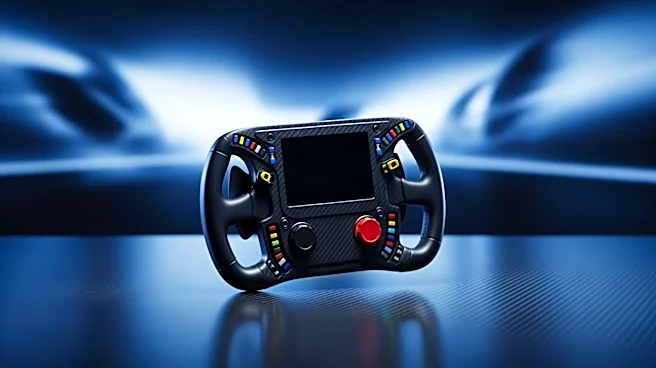
an increased focus on battery power harvesting, have been controversial. These modifications have altered the dynamics of racing, allowing for more frequent overtakes due to power boosts. However, many prominent figures in the sport, including Max Verstappen and Fernando Alonso, have criticized the new rules, likening them to video game mechanics. Mansell, known for his aggressive racing style, sympathizes with fans who find the overtakes artificial. He highlighted the issue of power deployment being controlled by software rather than drivers, which has led to dangerous situations on the track, such as a near-crash at the Japanese Grand Prix. Despite tweaks made for the Miami Grand Prix, Mansell remains critical of the changes, suggesting they compromise the sport's integrity.
Why It's Important?
The criticism from a respected figure like Nigel Mansell underscores the broader discontent within the Formula 1 community regarding the new regulations. These changes are intended to modernize the sport and make it more environmentally friendly, but they have sparked debate about the balance between technological advancement and the essence of racing. The dissatisfaction among fans and drivers could impact the sport's popularity and viewership, as traditional racing enthusiasts may feel alienated. Additionally, the safety concerns raised by Mansell highlight potential risks associated with the new rules, which could lead to further scrutiny and calls for adjustments. The ongoing debate reflects a tension between innovation and tradition in Formula 1, with significant implications for the sport's future direction.
What's Next?
As the Formula 1 season progresses, the impact of the new regulations will continue to be a focal point of discussion. Stakeholders, including team principals, drivers, and the governing body, may need to reassess the rules if safety concerns persist or if fan discontent grows. The sport's leadership, including F1 boss Stefano Domenicali, may face pressure to address these issues and find a compromise that satisfies both the need for innovation and the desire for authentic racing experiences. Future races will serve as a testing ground for the new rules, and any incidents or feedback could prompt further modifications. The response from fans and the media will be crucial in shaping the narrative around these changes and determining their long-term viability.