







What's Happening?
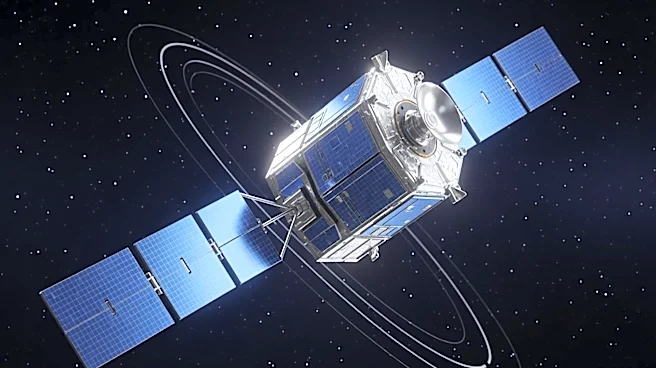
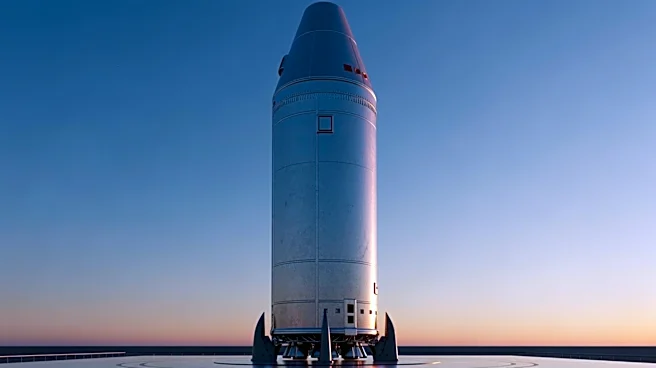
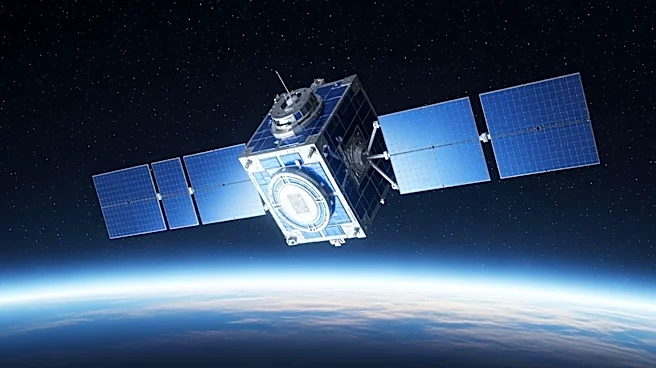
Blue Origin's New Glenn rocket, during its third launch, failed to place a communications satellite for AST SpaceMobile into the correct orbit. The satellite, BlueBird 7, was intended to be positioned in a higher orbit but ended up in a lower one, making
it unsustainable for operations. Despite the satellite successfully separating from the rocket and powering on, it will need to be de-orbited and burn up in Earth's atmosphere. This incident marks the first major failure for the New Glenn program, which had previously launched twin spacecraft for NASA. Blue Origin, led by Jeff Bezos, is striving to become a key player in NASA's Artemis missions, aiming to return humans to the moon.
Why It's Important?
The failure of Blue Origin's New Glenn rocket to deliver its payload correctly could have significant implications for the company's future in the space industry. As Blue Origin seeks to establish itself as a major launch provider for NASA's Artemis missions, this setback may affect its credibility and competitiveness, especially against rivals like SpaceX. The incident also highlights the challenges of space launches and the importance of reliability in commercial space operations. For AST SpaceMobile, the loss of the satellite, although insured, represents a delay in their plans to deploy a constellation of satellites for global cellular broadband service.
What's Next?
Blue Origin will likely conduct an investigation to determine the cause of the failure and implement corrective measures. The outcome of this investigation will be crucial for the company's future missions, including the planned launch of a prototype lunar lander and Amazon's LEO internet satellites. AST SpaceMobile, on the other hand, plans to continue its satellite deployment with other launch providers, aiming to have 45 satellites in orbit by the end of 2026. The incident underscores the need for robust risk management and contingency planning in the rapidly evolving space industry.