





What's Happening?
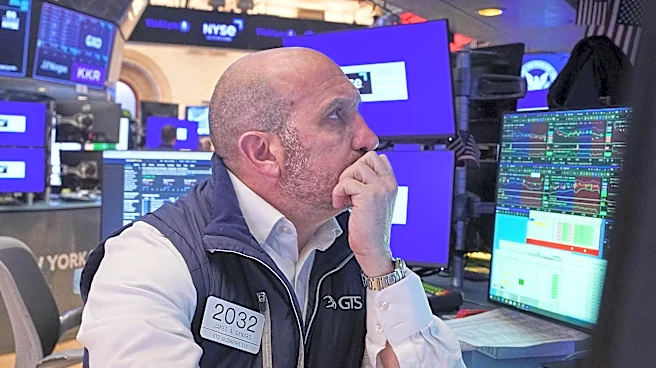
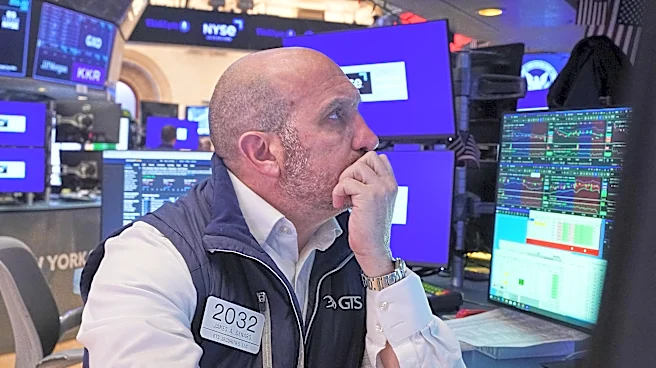
Unidentified traders placed a $430-million bearish bet on crude oil futures just minutes before President Trump announced an indefinite extension of the U.S.-Iran ceasefire. The trades involved 4,260 sell orders for Brent crude futures during a low-volume
post-settlement period, occurring between 19:54 and 19:56 GMT, shortly before Trump's announcement at 20:10 GMT. This led to a significant drop in Brent crude prices from $100.91 to $96.83 per barrel. The timing of these trades has raised suspicions of insider trading, as similar patterns have been observed in previous instances where large bets were placed shortly before major announcements affecting oil prices.
Why It's Important?
The timing of these trades raises concerns about potential insider trading, which could undermine market integrity and investor confidence. If traders are exploiting privileged information, it could lead to unfair advantages and distort market prices, affecting stakeholders in the oil industry. The incident highlights the need for regulatory scrutiny to ensure transparency and fairness in financial markets. The potential manipulation of oil prices can have broader economic implications, influencing energy costs and impacting businesses and consumers reliant on oil.
What's Next?
Regulatory bodies may investigate the suspicious timing of these trades to determine if insider trading occurred. If proven, it could lead to legal actions and stricter regulations to prevent future occurrences. The oil market may experience increased volatility as stakeholders react to the news and adjust their strategies. Political leaders and industry experts might call for enhanced oversight and transparency in trading practices to safeguard market integrity.