








What's Happening?
A bipartisan group of U.S. senators has introduced the System Integrity through Licensed Vault Expansion and Resilience Act, known as the SILVER Act, to address vulnerabilities in the precious metals supply chain. The legislation, spearheaded by Senators
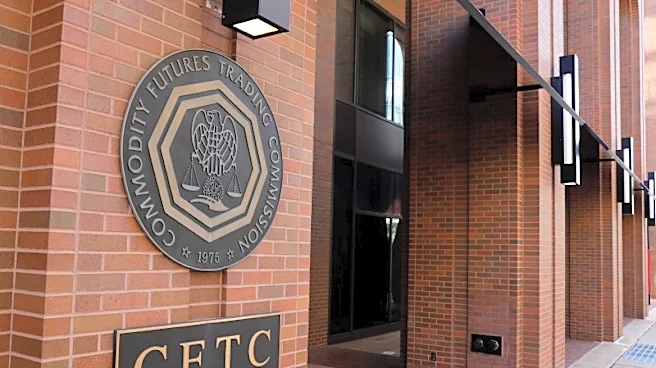
Jim Risch and Catherine Cortez Masto, aims to reduce the geographic concentration of precious metals storage, which is currently centered around New York City. The bill proposes expanding the network of exchange-approved depositories across all U.S. time zones to enhance system redundancy and accessibility. This move follows concerns about the risks posed by the current concentration, which could lead to disruptions from cyber incidents, natural disasters, or transportation issues. The Commodity Futures Trading Commission has shown support for this initiative, which also seeks to improve market resilience and reduce costs for investors and industry participants.
Why It's Important?
The SILVER Act is significant as it addresses critical vulnerabilities in the U.S. precious metals market, which is vital for both economic stability and national security. By diversifying the storage locations, the legislation aims to mitigate risks associated with the current concentration of depositories, which could be susceptible to regional disruptions. This diversification is expected to enhance market liquidity, lower storage costs, and provide more equitable access to metal exchanges across the country. The bill has garnered support from industry groups like the Sound Money Defense League and Money Metals Depository, which argue that the current system disadvantages western U.S. market participants. The proposed changes could lead to a more competitive and resilient market, benefiting investors, refiners, and mining companies.
What's Next?
If passed, the SILVER Act will require derivatives clearing organizations to approve at least two depositories in each U.S. time zone, thereby expanding the footprint of exchange-approved storage facilities. This legislative effort is likely to prompt further discussions among policymakers, industry stakeholders, and regulatory bodies about the best ways to implement these changes. The bill's progress will be closely monitored by industry advocates and market participants who are keen on seeing improvements in the precious metals market infrastructure. Additionally, the Commodity Futures Trading Commission's involvement suggests that regulatory adjustments may follow to support the bill's objectives.
Beyond the Headlines
The SILVER Act could have broader implications for the U.S. financial system by setting a precedent for how critical infrastructure is managed and diversified. The focus on reducing geographic concentration may inspire similar initiatives in other sectors that rely on centralized facilities. Furthermore, the bill highlights the importance of resilience in the face of potential disruptions, a theme that is increasingly relevant in today's interconnected global economy. By promoting a more distributed storage network, the legislation could also encourage innovation and investment in regions that have been historically overlooked in the precious metals market.