




What's Happening?
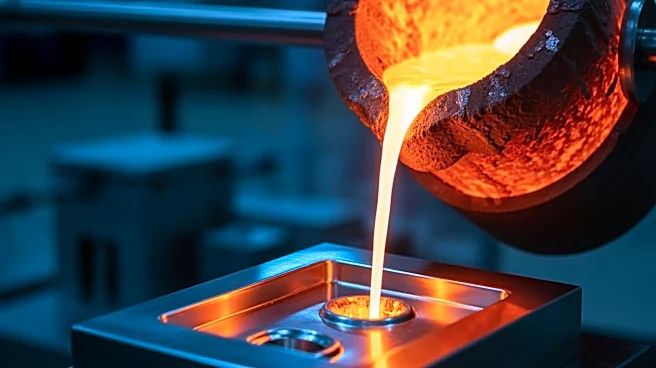
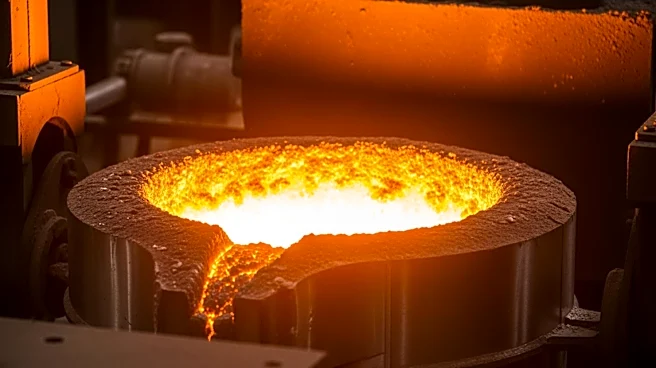
Century Aluminum Company has announced the production of the first hot metal from its expanded Mt Holly plant in South Carolina. The expansion is expected to increase U.S. primary aluminum production by 10% and has already created 125 permanent jobs.
The project solidifies Century's position as the largest producer of primary aluminum in the U.S. Additionally, Century plans to partner with Emirates Global Aluminium to build a new smelter in Oklahoma, which will double current U.S. capacity. This expansion is seen as a significant investment in the U.S. aluminum industry, driven by President Trump's Section 232 aluminum tariff.
Why It's Important?
The expansion of Century Aluminum's Mt Holly plant and the planned new smelter in Oklahoma represent a major boost to the U.S. aluminum industry. By increasing domestic production, these projects aim to reduce reliance on foreign imports and enhance supply chain resilience. The creation of new jobs and the significant investment in infrastructure highlight the economic benefits of these initiatives. The projects also align with national security interests by ensuring a stable supply of critical metals. The focus on domestic production reflects broader trends towards reshoring manufacturing and strengthening industrial capabilities.
What's Next?
Century Aluminum is expected to continue ramping up production at the Mt Holly plant, with full capacity anticipated by June. The partnership with Emirates Global Aluminium for the Oklahoma smelter will likely proceed, with construction expected to create thousands of jobs. As these projects advance, Century will play a key role in shaping the future of the U.S. aluminum industry. The focus on domestic production may encourage further investments in related sectors, driving economic growth and innovation. Ongoing support from government policies, such as tariffs, will be crucial in maintaining the competitiveness of U.S. manufacturers.
Beyond the Headlines
The expansion of Century Aluminum's operations underscores the strategic importance of critical metals in the U.S. economy. The focus on domestic production reflects a broader shift towards self-sufficiency and resilience in the face of global supply chain disruptions. The projects also highlight the role of government policies in shaping industrial development and investment decisions. As the U.S. seeks to strengthen its manufacturing base, initiatives like Century's expansion could serve as a model for other industries. The emphasis on sustainability and innovation will be key in ensuring the long-term success of these efforts.