





What's Happening?
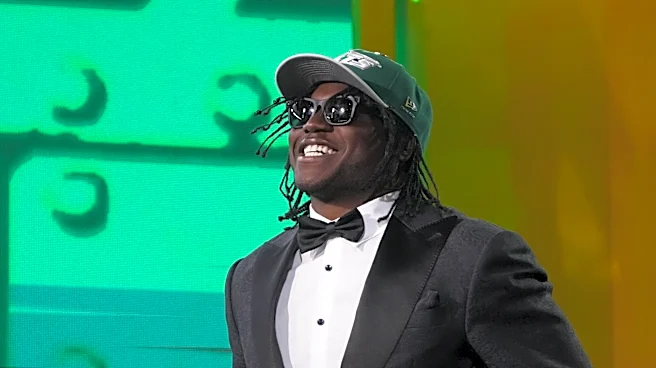
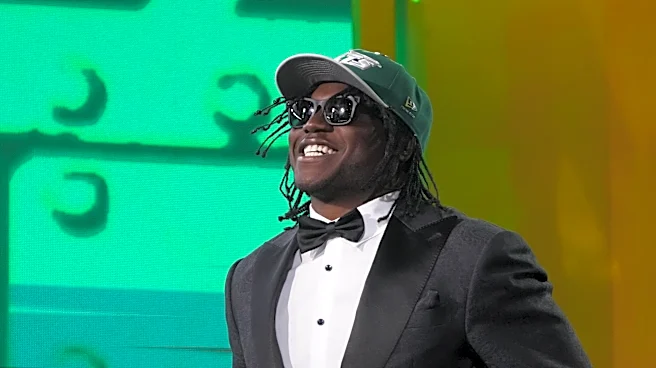
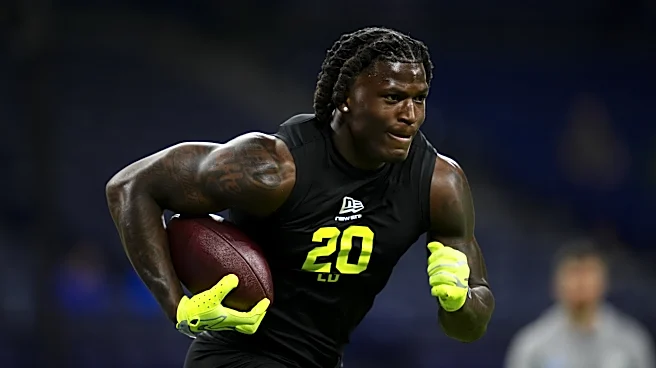
The New York Jets selected David Bailey with the second overall pick in the 2026 NFL Draft, opting for the Texas Tech edge rusher over Ohio State linebacker Arvell Reese. This decision has sparked debate, as many talent evaluators believe Reese has a higher
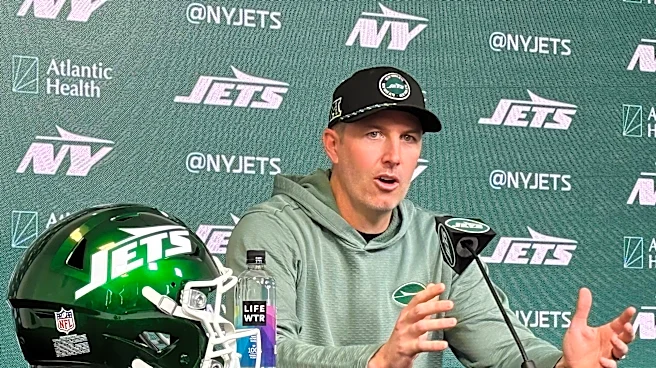
ceiling. ESPN's Rich Cimini highlighted two major concerns: Reese's potential and Bailey's run defense. Bailey, known for his pass-rushing skills, recorded 14.5 sacks last year, but his ability to defend against the run is questionable. The Jets' defense, led by Aaron Glenn, now features two pass-rusher-oriented players, Bailey and Will McDonald IV, which could leave the team vulnerable against the run.
Why It's Important?
The Jets' decision to draft Bailey over Reese could have significant implications for their defensive strategy. While Bailey's pass-rushing abilities may improve the team's sack total, the potential weakness in run defense could be exploited by opponents. This choice reflects a broader strategy of prioritizing immediate pass-rush impact over long-term defensive versatility. If Reese develops into a standout player, the Jets may regret not taking a chance on his higher ceiling. The decision also underscores the challenges teams face in balancing immediate needs with future potential in draft selections.
What's Next?
The Jets will need to address their run defense vulnerabilities, possibly through future trades or draft picks. The team's performance in the upcoming season will be closely watched to assess the impact of this draft decision. If Bailey struggles with run defense, the Jets may need to adjust their defensive lineup or strategy. Additionally, the development of Arvell Reese with another team could serve as a benchmark for evaluating the Jets' choice.