
What's Happening?
The future of glyphosate, a widely used herbicide, is being shaped more by technological innovations than by legal challenges. Despite legal pressures and regulatory scrutiny, glyphosate remains a staple
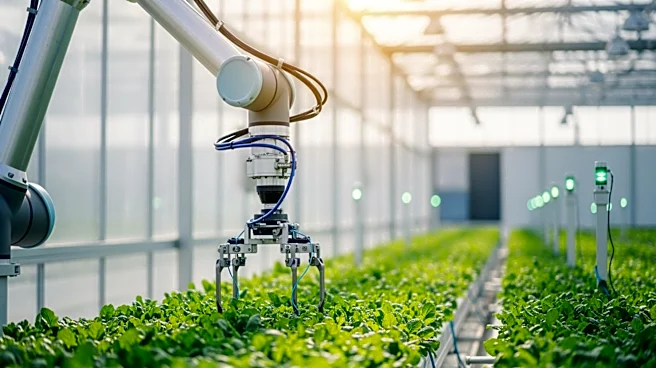
in U.S. agriculture due to its cost-effectiveness and efficiency in weed control. However, new technologies are emerging that could reduce reliance on glyphosate. These include precision applicators that use computer vision and sensors to target weeds more accurately, and robotic systems that mechanically remove weeds. These innovations promise to reduce herbicide use significantly, with some systems reporting up to 99% reduction in application.
Why It's Important?
The development of alternative weed control technologies is crucial for the agricultural sector, as it addresses both environmental concerns and the economic impact of potential glyphosate restrictions. Reducing reliance on glyphosate could mitigate legal risks for manufacturers and farmers, while also supporting sustainable farming practices. The shift towards precision agriculture could lead to cost savings and environmental benefits, such as reduced soil erosion and lower diesel use. This transition is supported by policymakers who are considering measures to accelerate the adoption of these technologies.
What's Next?
The adoption of new weed control technologies will depend on their ability to match or exceed glyphosate in terms of cost and effectiveness. Policymakers are likely to play a key role by providing funding and support for research and development. The upcoming Farm Bill may include provisions to support the adoption of precision agriculture tools. As these technologies become more accessible, they could transform farming practices and reduce the agricultural sector's environmental footprint.