






What's Happening?
Federal Reserve Chair Jerome Powell is concluding his eight-year term, marked by significant economic interventions and a focus on strengthening relationships with Congress. During his tenure, Powell implemented drastic measures to address the economic impacts
of the COVID-19 pandemic, including slashing interest rates to near zero and purchasing bonds at unprecedented levels. As the economy recovered, he raised rates at the fastest pace in four decades to combat inflation. Beyond these economic policies, Powell's legacy is also defined by his efforts to engage with Congress, viewing it as a crucial source of oversight and accountability for the Federal Reserve. His approach was particularly significant during President Trump's administration, where he faced challenges to the Fed's independence. Powell's engagement with lawmakers was strategic, aiming to protect the Fed's authority and maintain its ability to manage economic policy without external pressures.
Why It's Important?
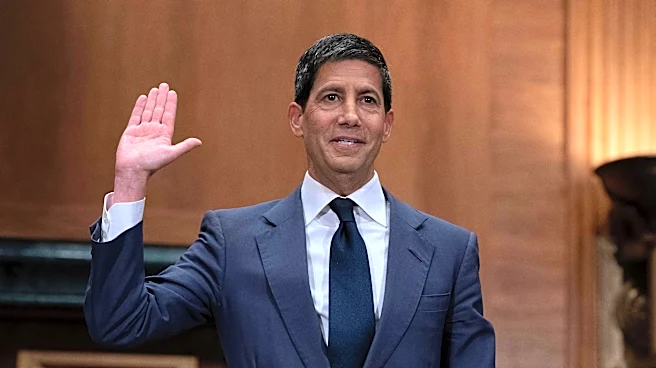
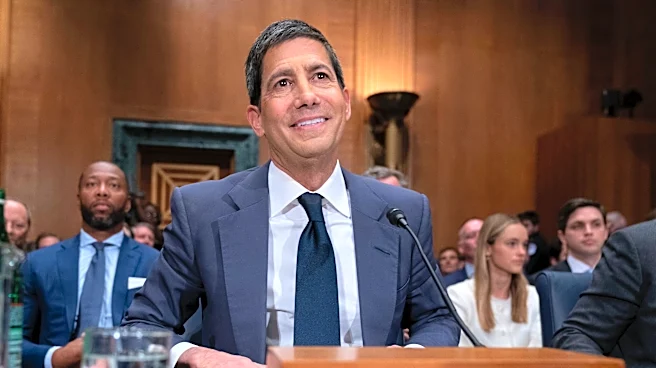
Powell's tenure highlights the critical role of the Federal Reserve in navigating economic crises and the importance of maintaining its independence from political influences. His efforts to build strong relationships with Congress underscore the need for the Fed to have a robust support system within the government to uphold its decisions. This approach not only helped in managing economic policy effectively but also in safeguarding the institution's credibility and authority. The transition to incoming Fed Chair Kevin Warsh, who is also known for his diplomatic skills, suggests a continuation of this strategy, especially if political dynamics shift with potential changes in congressional leadership. Powell's legacy sets a precedent for future Fed chairs on the importance of balancing economic policy with strategic political engagement.
What's Next?
As Powell steps down, the Federal Reserve faces ongoing challenges, including managing inflation and ensuring economic stability. The incoming chair, Kevin Warsh, is expected to continue Powell's approach of engaging with Congress, particularly as political landscapes evolve. This strategy will be crucial if Democrats gain control of Congress, potentially altering the oversight dynamics of the Fed. Warsh's ability to navigate these relationships will be vital in maintaining the Fed's independence and effectiveness in economic policymaking. Additionally, the Fed will need to address any residual economic impacts from the pandemic and adapt to new economic conditions, requiring a careful balance of policy decisions and political considerations.
Beyond the Headlines
Powell's tenure illustrates the evolving role of the Federal Reserve in a politically charged environment. His focus on congressional relations highlights the intersection of economic policy and political strategy, emphasizing the need for central bank leaders to be adept not only in economic theory but also in political navigation. This approach may influence how future Fed chairs are selected, prioritizing candidates with strong diplomatic skills alongside economic expertise. The long-term implications of Powell's legacy may also affect how the Fed interacts with other branches of government, potentially reshaping its role in the broader political and economic landscape.