



What's Happening?
Hyundai has announced a recall of 68,500 Palisade SUVs in the United States and Canada due to safety concerns with the rear power seats. This decision follows a tragic incident on March 7, where a two-year-old girl was killed in Ohio, and reports of four
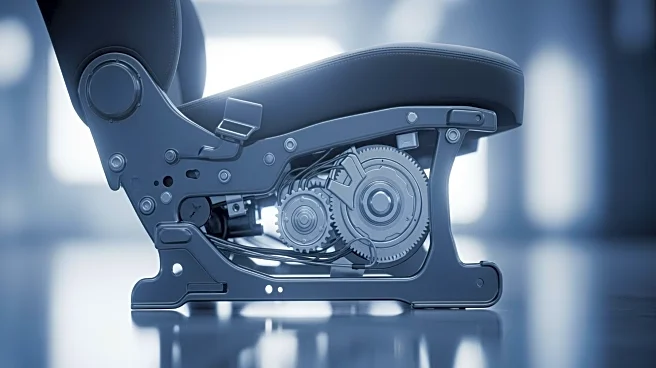
minor injuries. The automaker identified that the second- and third-row powered seat assemblies may not respond correctly to contact with an occupant or object during certain functions. Hyundai began investigating the issue in November after receiving three reports of problems, initially assessing the risk as low. The company is now rolling out an over-the-air software update to improve system response and is working on a permanent recall fix. In the meantime, Hyundai has halted sales of the 2026 model Palisade Limited and Calligraphy trims and is offering rental vehicles to affected customers.
Why It's Important?
The recall highlights significant safety concerns for Hyundai, potentially impacting consumer trust and sales. The incident underscores the importance of rigorous safety checks and the potential consequences of technological malfunctions in vehicles. For Hyundai, this recall could lead to financial implications, including costs associated with the recall process and potential legal liabilities. It also raises broader questions about the safety of automated vehicle features and the need for stringent regulatory oversight. Consumers may become more cautious about purchasing vehicles with advanced automated features, affecting the automotive industry's approach to innovation and safety standards.
What's Next?
Hyundai is actively working on a permanent solution to the power seat issue and plans to resume sales once the recall repair is finalized. The company is likely to face scrutiny from regulatory bodies and may need to enhance its safety protocols to prevent similar incidents in the future. Affected customers will be closely monitoring Hyundai's response and the effectiveness of the software update. The automotive industry may also see increased pressure to ensure the safety of automated features, potentially leading to new regulations or industry standards.