
What's Happening?
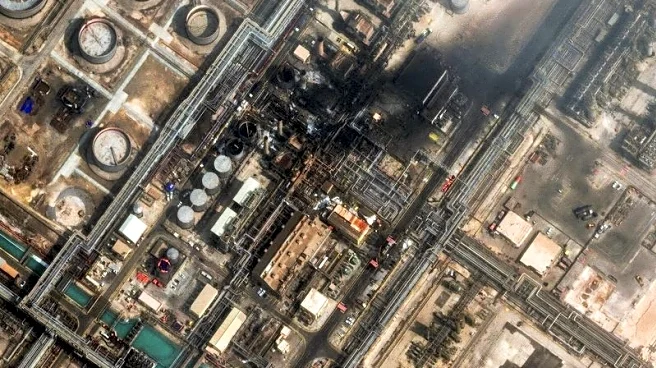
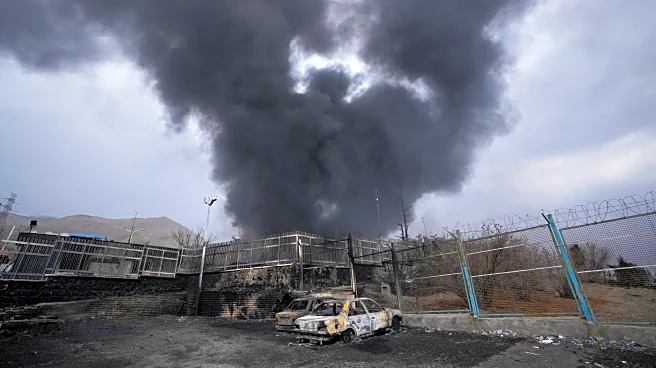
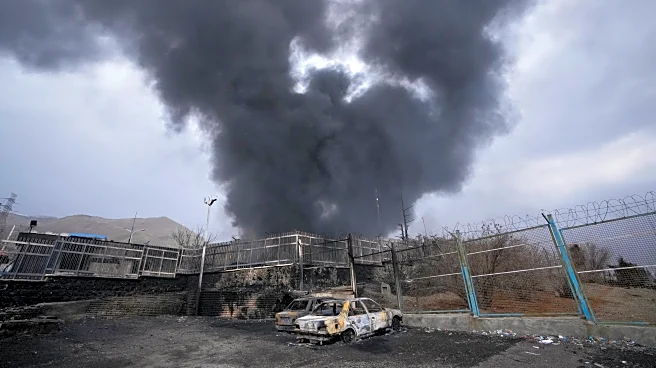
Oil prices have surged past $100 per barrel due to escalating tensions involving Iran, causing concerns about potential supply disruptions in the Middle East. This price spike has prompted urgent discussions among the world's largest economies, particularly
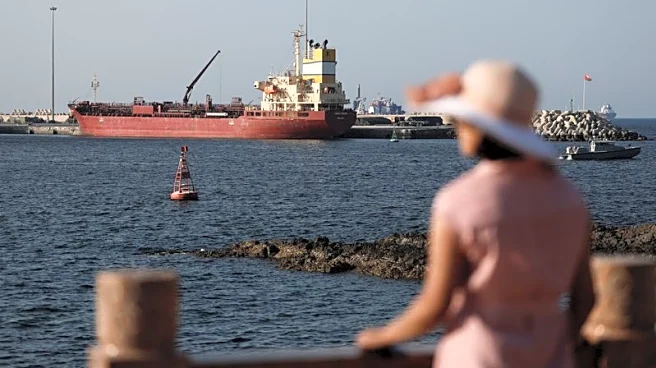
the Group of Seven (G7) finance ministers. They have indicated readiness to release strategic oil reserves if necessary to stabilize global supply and calm markets. The option remains under review, with emergency stockpiles potentially being deployed if disruptions intensify or shipping routes become more constrained. The U.S. Energy Secretary has noted that the price increase is largely driven by a 'fear premium' tied to geopolitical uncertainty, rather than an immediate supply collapse. Saudi Arabia's reported output cuts amid regional security concerns have further amplified fears of deepening supply losses if the conflict expands.
Why It's Important?
The surge in oil prices and potential supply disruptions have significant implications for global markets. A sustained oil shock could impact inflation, financial markets, and global economic growth. The G7's discussions highlight the delicate balance policymakers must maintain: acting swiftly to stabilize supply while avoiding unnecessary measures if tensions ease. The situation also places pressure on U.S. policymakers, including President Trump, to consider additional responses to curb energy prices. The outcome of these discussions and the potential release of strategic reserves could influence market stability and economic conditions worldwide.
What's Next?
Governments are currently preparing contingency plans as they monitor developments in the Middle East. The future trajectory of oil prices will depend on how the conflict and global supply responses unfold. If tensions escalate, further disruptions could lead to more significant market impacts, prompting the G7 and other nations to take decisive action. Conversely, if tensions ease, the current price spike may prove temporary. Traders and policymakers will continue to closely watch the situation, with potential strategic reserve releases remaining a key tool for stabilizing markets.